Garlic carries a reputation as a near-universal remedy. How much of that survives the trials? We look at what the human studies say about blood pressure, cholesterol, colds, and cancer — including where the effect is real, and where it isn’t.
Conclusion: Garlic mildly lowers blood pressure and LDL cholesterol—a home remedy backed by a Cochrane review
[Level 2 (Strong)] [Diet & Nutrition] [Recommended]
A Cochrane review has confirmed that garlic has a mild blood pressure-lowering effect, and a meta-analysis has also shown that it reduces LDL cholesterol and improves fasting blood glucose levels. While the effects are not dramatic, it is an inexpensive dietary supplement with few side effects.
📊 Effect Sizes and Key Studies
- Stabler et al., Cochrane Database 2012 (updated 2023): Review of 12 RCTs. Garlic preparations reduced systolic blood pressure by 7.7 mmHg and diastolic blood pressure by 5.0 mmHg (in the hypertension group).
- Ried et al., J Nutr 2016: Meta-analysis of 39 RCTs. Aged garlic extract reduced total cholesterol by 17 mg/dL and LDL-C by 9 mg/dL.
- Wang et al., Food Nutr Res 2017: Meta-analysis of 33 RCTs involving 1,798 participants. Garlic reduced fasting blood glucose by 11.1 mg/dL and HbA1c by 0.6%.
- Fleischauer et al., Am J Clin Nutr 2000: 18 cohort review. Raw garlic intake significantly reduced the risk of stomach and colorectal cancer.
💡 The Bottom Line
Allicin (an active compound produced when garlic is crushed) has vasodilatory, antiplatelet, and antioxidant effects. S-allyl cysteine (derived from aged garlic) is known for its antioxidant and anti-inflammatory properties.
🎯 How to Start
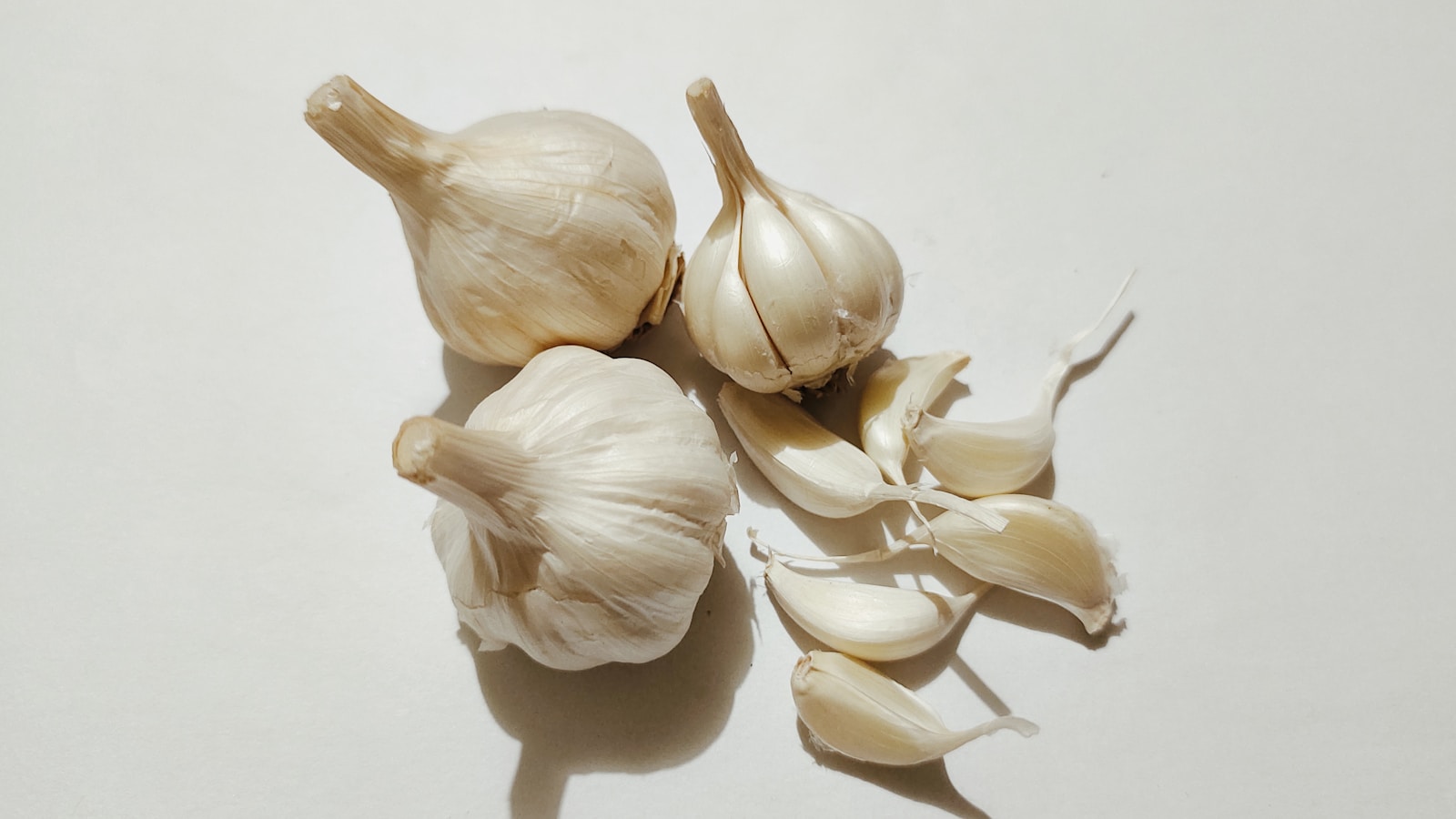
Aim for 1 to 2 cloves per day (raw or cooked):
- Crush the garlic and wait 10 minutes before cooking to stabilize the allicin (allowing time for the enzyme alliinase to act).
- Raw, grated or minced garlic contains the highest amount of allicin. If you’re concerned about the odor, you can substitute with aged garlic supplements.
- Use in stir-fries, pasta, and dressings. It’s easy to naturally incorporate into dishes for flavor.
- Excessive consumption (5 or more cloves per day) can cause gastrointestinal symptoms.
⚠️ Cautions
1. Interactions with antiplatelet and anticoagulant medications: The risk of bleeding increases when taking warfarin or aspirin. Avoid consumption for two weeks prior to surgery.
2. Gastrointestinal symptoms: Eating raw garlic on an empty stomach can cause heartburn and diarrhea. 3. Bad breath: Can be reduced by eating parsley, drinking milk, or eating apples.
4. Allicin is sensitive to heat: Frying or prolonged heating significantly reduces its effectiveness.
📝 Summary
- Garlic has a mild effect on lowering blood pressure, LDL cholesterol, and blood sugar (Level 2)
- The recommended intake is 1 to 2 cloves per day
- The key technique is to crush the garlic and wait 10 minutes before cooking
- Be cautious of interactions with anticoagulant medications
📚 References
- Stabler SN, et al. Cochrane Database of Systematic Reviews. 2012;CD007653.
- Ried K, et al. J Nutr. 2016;146(2):389S-396S.
- Wang J, et al. Food Nutr Res. 2017;61(1):1377571.
⚠️ Disclaimer
- This page is based on peer-reviewed scientific research, but it is not a substitute for medical care
- Please consult a doctor or registered dietitian regarding individual health decisions.