The bottom line first.
In May 2026, a clinical study published in the American Chemical Society’s ACS Nutrition Science showed that daily grape consumption changes gene expression in human skin and lowers oxidative stress after UV exposure. Among fruits, grapes are unique because eating them with the skin delivers resveratrol and a constellation of polyphenols that work at the skin level.
- Skin gene expression changes (activation of DNA repair and antioxidant systems)
- Reduced oxidative stress after UV exposure (strong evidence)
- Past research also showed effects on NAFLD and Alzheimer-related pathways
- Eating with the skin is the key (resveratrol concentrates in the skin)
This is “evidence-based eating” you can practice immediately — no supplements required. Here’s the science and how to apply it.
💡 This article is not medical advice. Consult your physician for skin conditions.
What the May 2026 study found
Researchers (Asim Dave et al.) compared healthy adults consuming about 2.25 cups of grape powder equivalent per day vs placebo, then evaluated skin biopsies and oxidative stress markers after UV exposure.
| Item | Detail |
|---|---|
| Design | Intervention + UV challenge |
| Dose | ~2.25 cups of grape powder equivalent daily |
| Duration | Several weeks |
| Evaluation | Skin biopsy → gene expression + oxidative stress markers |
| Publication | ACS Nutrition Science (May 2026) |
Results were striking: hundreds of skin genes changed in the grape group, including:
- DNA repair genes: handle UV damage recovery
- Antioxidant enzymes: protect cells from oxidative stress
- Inflammation-related pathways: dampen post-burn chronic inflammation
- Melanin metabolism: relevant to skin pigmentation
The changes were reproducible across individuals.
Why grapes — the unique compound profile
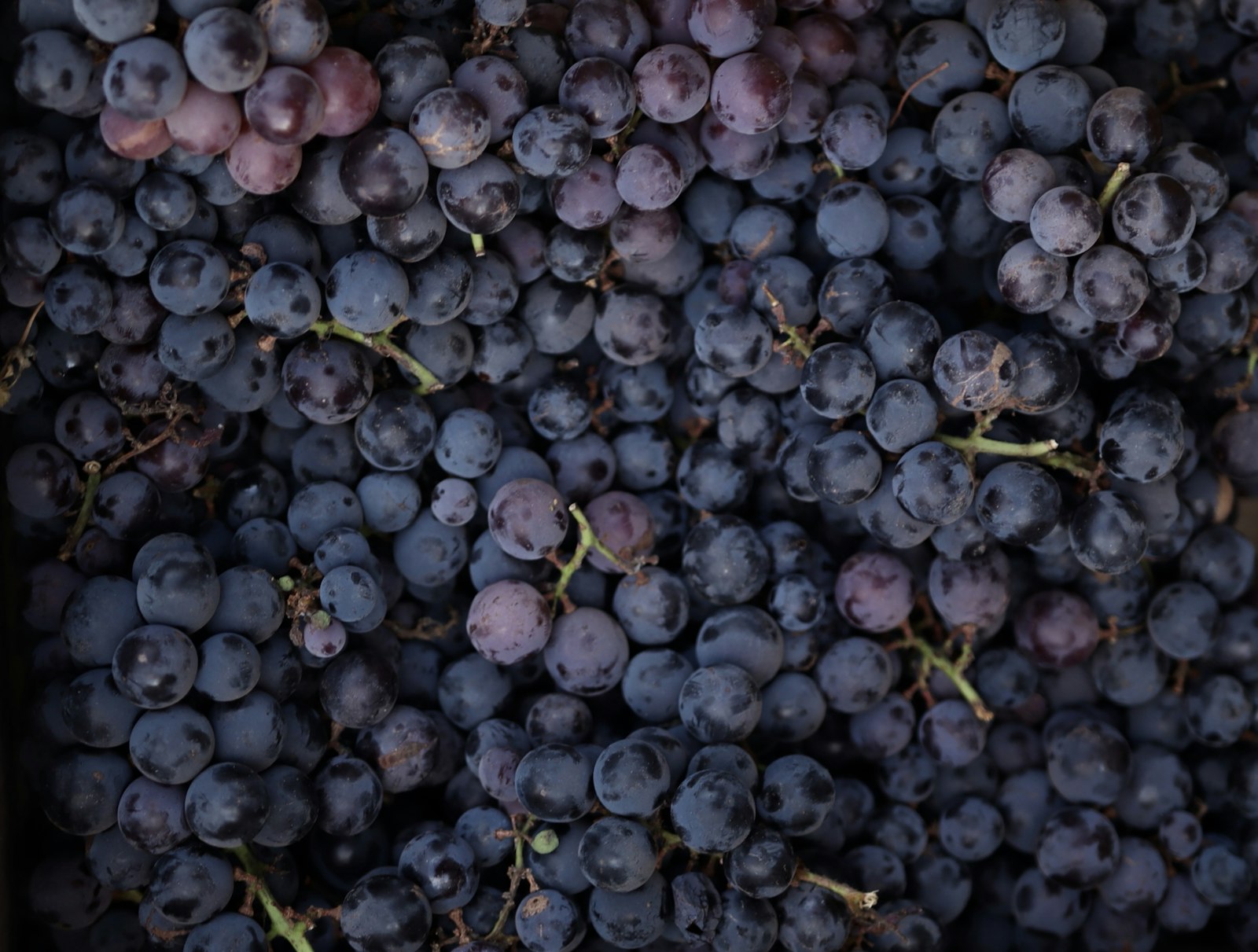
Grapes differ from other fruits because of the rich polyphenols concentrated in their skin and seeds.
| Compound | Main location | Action |
|---|---|---|
| Resveratrol | Skin | Antioxidant, sirtuin activation |
| Anthocyanins | Skin | Antioxidant, vascular protection |
| Proanthocyanidins | Seeds, skin | Strong antioxidant |
| Quercetin | Skin | Anti-inflammatory, anti-allergic |
| Piceatannol | Skin | Resveratrol metabolite, anti-inflammatory |
Resveratrol, in particular, is what Harvard’s Prof. David Sinclair has researched for “sirtuin pathway activation and longevity.” This new study’s importance is that benefits emerged from whole-food grapes, not isolated supplements.
“Eat with the skin” matters — choose seedy grapes
Popular seedless varieties taste great but are less optimal for polyphenol content.
| Grape type | Skin eaten | Seed | Resveratrol (relative) |
|---|---|---|---|
| Concord, Pinot-style (eaten with skin) | ◎ | ○ | High |
| Smaller dark grapes (eaten with skin) | ◎ | ○ | Medium-High |
| Shine Muscat (skin yes, seedless) | ◎ | × | Medium |
| Skinless varieties | × | × | Low |
The astringency of the skin is the proof of resveratrol and anthocyanins. Pick a seeded, dark-skinned variety and eat it whole.
Past research connections — NAFLD and cognitive function
The same research group has published related work.
Animal study (mice, 2022): High-fat-diet mice given grapes showed improvement in non-alcoholic fatty liver disease (NAFLD) and lifespan extension. Liver and brain gene expression also shifted in the Alzheimer-related pathway direction.
Cognitive function (SAMP8 mice, 2021): Grape skin extract improved learning and memory in the water maze test in aged mice. Neural stem cell proliferation was also confirmed.
These are animal-stage findings, but the consistent direction across skin/liver/brain is notable.
Practical amount — how much per day?
The study used ~2.25 cups daily; realistically eating that much daily is hard. Minimum target: 1 bunch (medium, ~100-150g) per day.
Off-season alternatives:
- Frozen grapes: antioxidant compounds mostly preserved
- 100% grape juice (unsweetened): resveratrol remains but high sugar — 1 cup max
- Raisins: concentrated but high sugar — 1-2 tablespoons max
- Red wine: would need ~1L daily for study-level resveratrol — not realistic, alcohol risks dominate
What about resveratrol supplements?
The supplement question always comes up. Evidence is less clear here than for whole food.
| Item | Whole-food grapes (with skin) | Supplement (resveratrol) |
|---|---|---|
| Contents | Multiple polyphenols | Resveratrol alone |
| Absorption | Stable in food matrix | Low bioavailability reported |
| Evidence | Multiple studies including this paper | Inconsistent results |
| Side effects | Essentially none | GI symptoms, drug interactions at high dose |
Conclusion: from the evidence, eating whole-food grapes is more reliable than supplements.
3 things you can do today
1. In season (summer-fall): eat skin-on grapes 3+ times per week
Choose varieties you can eat with the skin (Concord, Pinot, smaller dark grapes, Shine Muscat). Don’t peel — wash and eat whole.
2. Off-season: keep frozen grapes
Buy in-season grapes when prices drop, freeze them. Great as an ice-cream substitute or smoothie ingredient.
3. Don’t think “supplements give the same effect”
Resveratrol-only supplements don’t replicate whole grape benefits. The money is better spent on quality grapes.
Summary — change gene expression by eating with the skin
The biggest message of the May 2026 paper: a common fruit can protect your skin at the gene level.
- Skin gene expression changes (DNA repair + antioxidant activation)
- Reduced UV-induced oxidative stress (strong)
- “Eat with the skin” is the key
- Whole-food grapes more reliable than supplements
- Past research also suggests NAFLD and cognitive benefits (animal stage)
For summer UV defense, add “acting from within” to your sunscreen and cosmetics. Frozen storage extends the option year-round.
References
- ACS Nutrition Science (May 2026), “Inter- and Intraindividual Variation of Gene Expression in Human Skin Following Grape Consumption and/or Exposure to Ultraviolet Irradiation” by Asim Dave et al.
- PMC (2022) “Consumption of Grapes Modulates Gene Expression, Reduces NAFLD, and Extends Longevity in Female C57BL/6J Mice”
- PMC (2021) “Grape skin extract modulates neuronal stem cell proliferation and improves spatial learning in SAMP8 mice”
- David Sinclair, Lifespan (Atria Books, 2019) — resveratrol and sirtuin pathway
Evidence level: Level 1-2 (human intervention + multiple animal studies + mechanism)