May 2026– date –
-

Microplastics Linked to 4.5x Cardiovascular Risk — 2026 Evidence Wrap-Up and What to Do Today
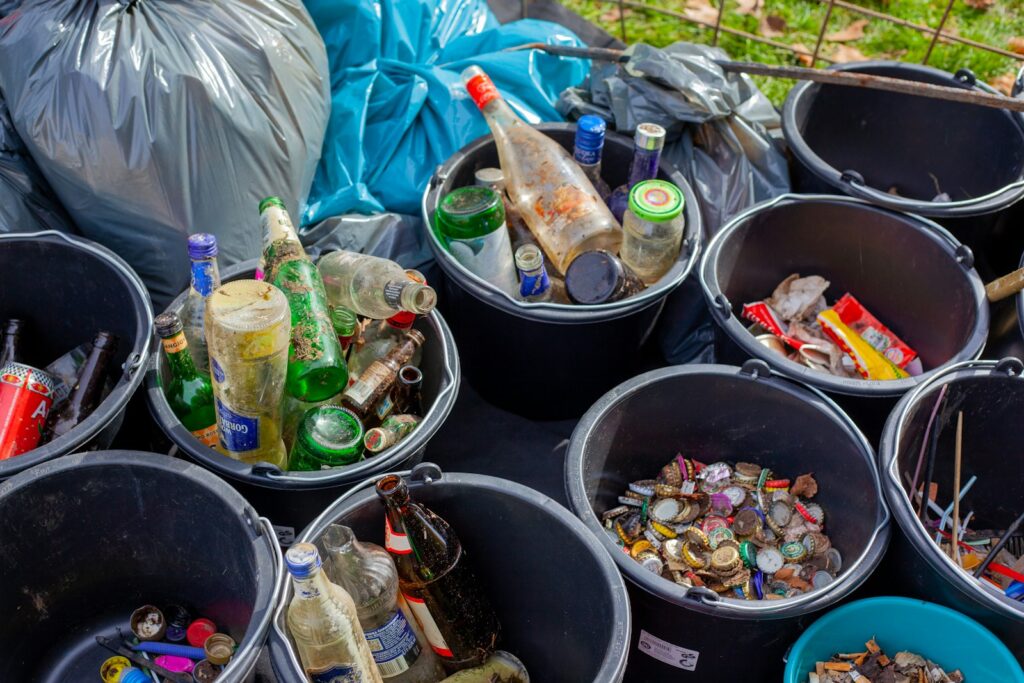
Through 2026, prospective studies establish microplastics (MNPs) as a cardiovascular risk factor: patients with MNPs in carotid plaques had 4.5x higher 3-year risk of heart attack, stroke, or death (NEJM 2024). Mechanisms: endothelial dysfunction + chronic inflammation + thrombosis. Major sources (bottled water, plastic containers, teabags, indoor dust) and 7 realistic actions you can take today. -
Omega-3 Supplements Linked to Faster Cognitive Decline? Decoding the May 2026 Bombshell Study
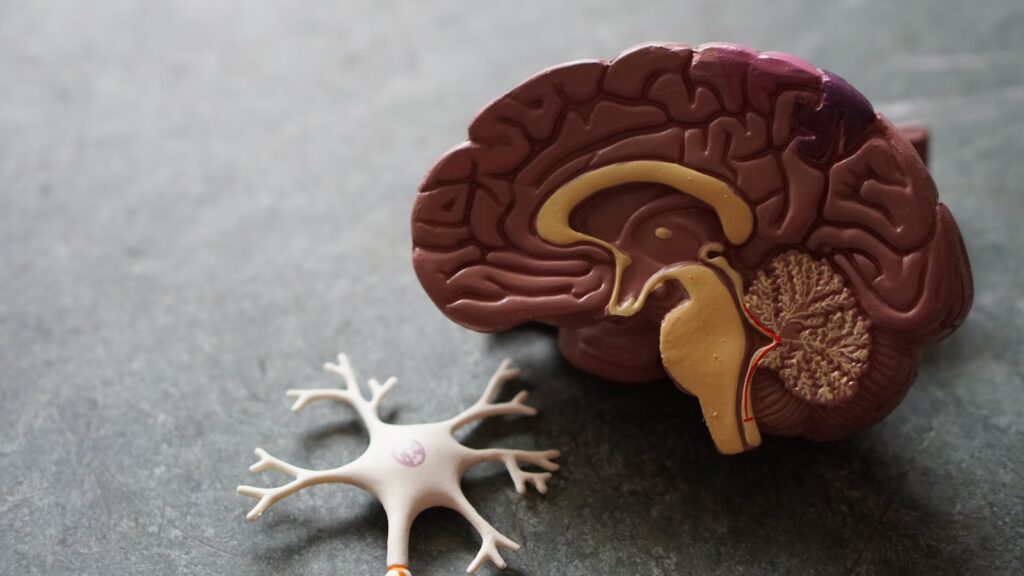
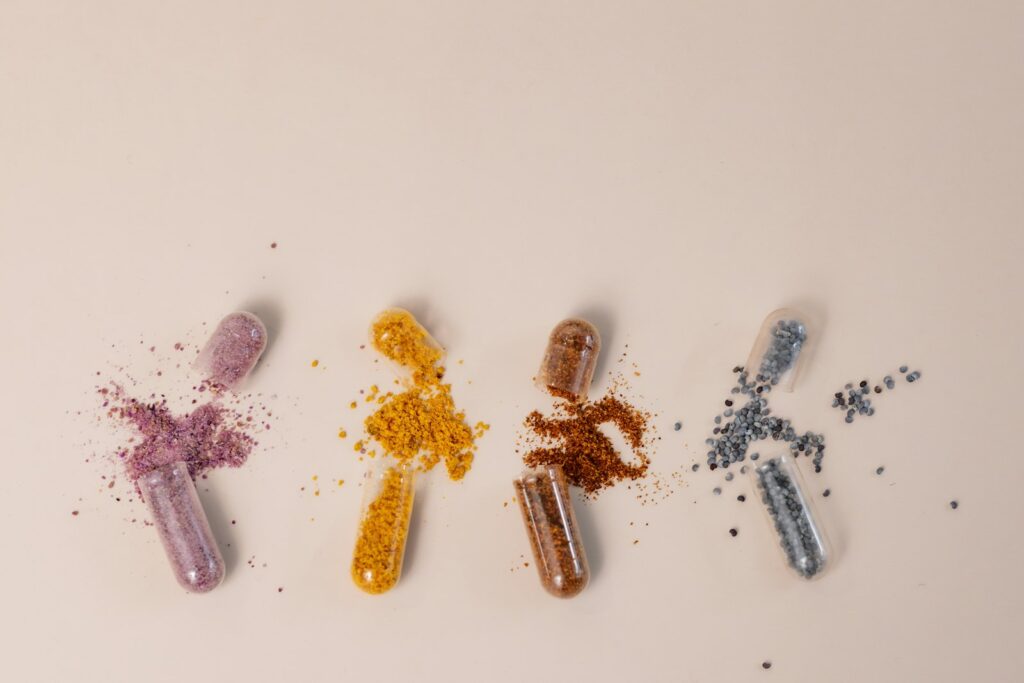
In May 2026, the Journal of Prevention of Alzheimer's Disease published ADNI cohort data on 819 older adults: omega-3 supplement users showed faster cognitive decline on MMSE, ADAS-Cog13, and CDR-SB. Correlated with reduced brain glucose metabolism, independent of APOE ε4. Why this matters and how to reconcile with DO-HEALTH 2025. -
Good News for HTP Users — or a Warning? Japan’s MHLW 15-Year Review Reveals Three Conclusions
On May 21, 2026, Japan MHLW released a 15-year systematic review of heated tobacco products (HTPs). Air contamination is confirmed, respiratory effects on bystanders are suggested, and long-term effects on cancer / pregnancy / children remain undetermined. Three sobering conclusions for the world HTP market. -
Exercise — How Physical Activity Extends Healthspan
Of all the lifestyle interventions evaluated for healthspan, regular exercise has perhaps the most consistent Level 1 evidence. This overview summarizes what the research says about type, intensity, frequency, and minimum effective dose.... -
Sleep — Why Quality and Consistency Are Level 1 Interventions
Sleep is one of the few interventions where doing it badly demonstrably accelerates cognitive decline, cardiovascular disease, and all-cause mortality. The evidence base is robust and the action items are surprisingly concrete. Conclusio... -
Mental Wellbeing — Stress, Connection, and Cognitive Health
Mental wellbeing is not just about how you feel today — it is one of the strongest predictors of long-term health outcomes including dementia, cardiovascular disease, and all-cause mortality. The interventions are concrete and the eviden... -
[Features] Cold Plunge — Separating the Hype from the Actual Evidence
Dopamine 250%, brown fat, immune boost — does cold plunging deliver any of this? Mood and alertness Level 2; metabolism and lifespan Level 3-4; counterproductive for hypertrophy. -
[Features] Bryan Johnson’s Blueprint — Scoring 100+ Interventions at Levels 1–4
Bryan Johnson reportedly spends $2M/year on anti-aging. The Blueprint core (sleep, exercise, diet) sits at Level 1 and is worth borrowing; the experimental edges remain Level 3–4. A respectful, evidence-grounded audit. -
[Features] GLP-1 Drugs (Ozempic, Mounjaro) — The Strongest Anti-Obesity Drugs Ever, And Their Real Costs
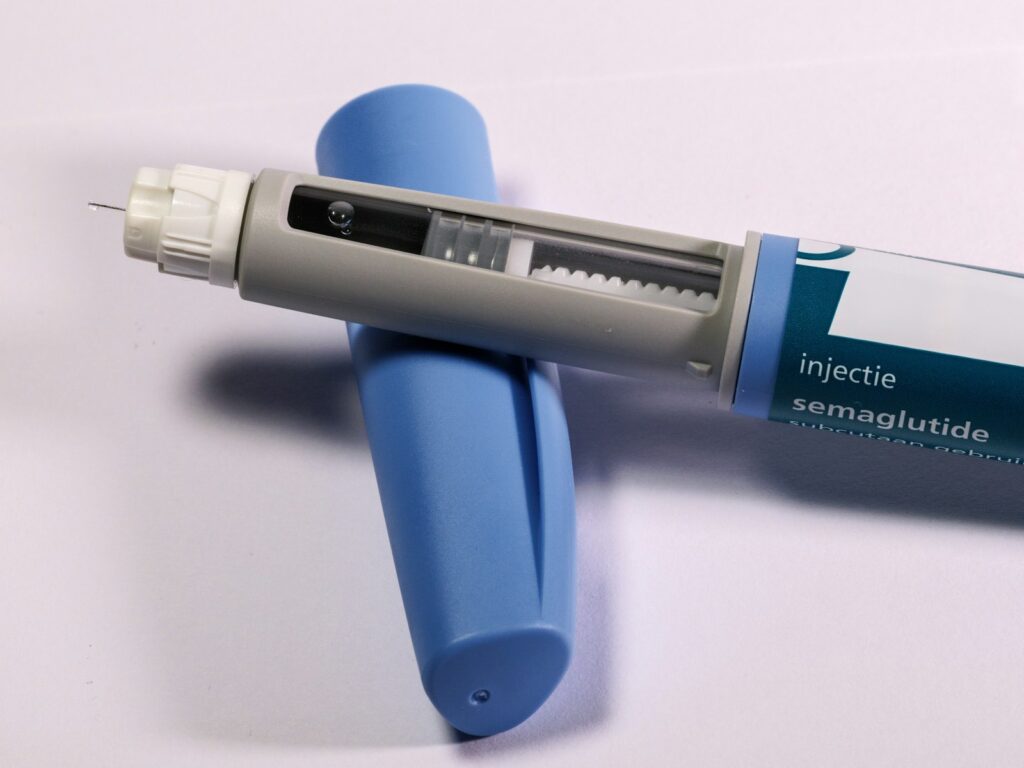
STEP-1: 14.9% weight loss. SURMOUNT-1: 22.5%. SELECT: 20% CV event reduction. GLP-1 drugs are a real revolution — but rebound, muscle loss, monthly cost, and DIY-market risks are equally real. -
[Features] NMN Just Got EU Safety Approval — What It Means (and What It Doesn’t)
EFSA cleared NMN at up to 300 mg/day as safe in May 2026. That is not the same as proving it works. An independent, ad-free audit of the human evidence at Levels 1-4. -
[Foods in Focus] Is Excessive Alcohol Really Bad for You? — A Thorough Evidence-Based Review
If you've held onto "red wine is good for you," the latest evidence has bad news. Since 2023, major institutions have shifted toward "there is no safe level for health." Here's what changed and what a pragmatic stance looks like. Conclus... -
[Foods in Focus] Is the Charred Flavor in Yakiniku and Grilled Foods Really Bad for You? — A Thorough Evidence-Based Review
You've probably heard "the burnt bits cause cancer." The actual story involves heterocyclic amines (HCAs) and polycyclic aromatic hydrocarbons (PAHs). We give you the realistic risk picture and the cooking adjustments that meaningfully r...