October 2026– date –
-

Low-Carb vs Low-Fat: How Much Should You Cut Rice and Bread? The Answer Is “What You Swap In,” Not the Ratio [2026 Evidence Review]
For weight loss, low-carb and low-fat end up equal at one year (DIETFITS; a 121-RCT meta-analysis). Carbohydrate share and mortality form a U-curve with 50–55% at the bottom. Swapping carbs for animal foods raises mortality (HR 1.18); swapping for plant foods lowers it (HR 0.82). Low-carb's edge in type 2 diabetes is short-term only. Do-it-yourself keto is not recommended. -
Do Probiotic Drinks and Supplements Really Work? The Cases Where They Help Are Surprisingly Narrow [2026 Evidence Review]
Moderate-certainty benefit exists only for preventing antibiotic-associated and C. difficile diarrhea (specific strains; no effect in inpatients over 65). Cold prevention, mood, and weight loss in healthy adults show small effects from mostly industry-funded trials. Effects are strain-specific, and taking probiotics after antibiotics may delay recovery (Cell 2018). -
Does Gum Disease Really Harm the Whole Body? Sorting Dementia, Heart Disease, and Diabetes into “Causal” vs “Correlated” [2026]
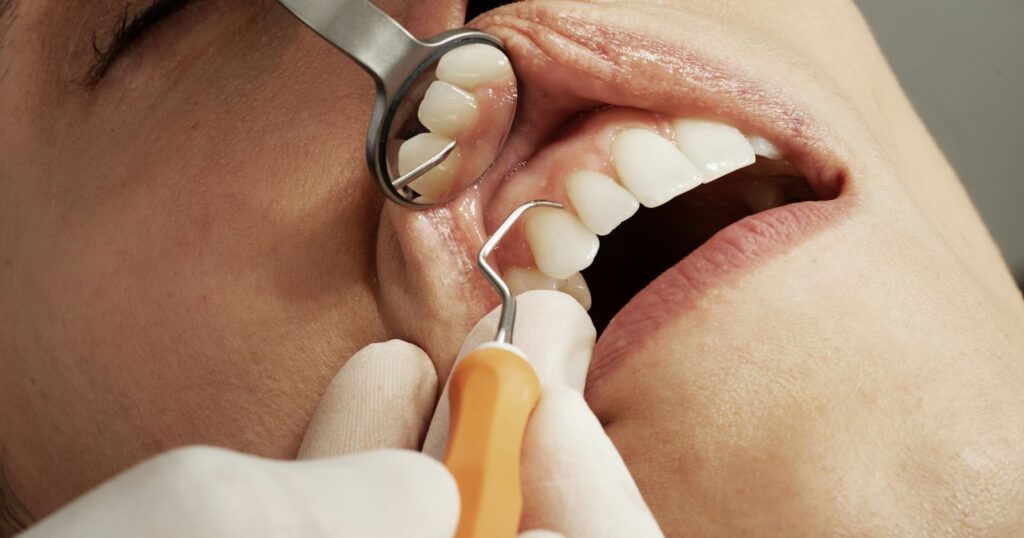
Periodontitis is associated with 1.3–1.5× all-cause mortality and 1.2–1.4× dementia, but causation is unproven. The one moderate-certainty causal link is diabetes: periodontal treatment lowers HbA1c by 0.43% (Cochrane 2022). The P. gingivalis Alzheimer's drug failed. Bottom line: keep your teeth, clean between them daily, get checked yearly. -
Is Coffee Good for You? The Evidence Says: 2–4 Cups, Filtered, Before 2 p.m. [2026]
Large cohorts and an umbrella review agree: 2–4 cups a day carries the lowest mortality, cardiovascular, and diabetes risk. Coffee does not trigger atrial fibrillation (RCTs). The exception is severe hypertension. Sleep is the real trade-off — 400 mg six hours before bed cuts sleep by an hour. -
How Much Protein Do You Really Need? Protein Powder Won’t Build Muscle on Its Own [2026 Evidence Review]
The 0.8 g/kg RDA is a floor. International consensus: 1.0–1.2 g/kg after 50, 1.2–1.6 g/kg with resistance training. Healthy kidneys tolerate high protein; CKD and prior cardiovascular disease are different. Protein powder clearly helps only alongside strength training.
1