Industrial trans fats are being phased out worldwide for good reason. The case that “Japanese intake is low enough to ignore” is weaker than commonly believed. Here’s what to look for on labels.
Conclusion: Trans fats are one of the most dangerous food ingredients — The FDA and WHO have completely banned them, as they dramatically increase the risk of cardiovascular disease
[Level 1 (Strongest)] [Diet & Nutrition] [Avoid entirely]
Artificial trans fats (partially hydrogenated oils) are food ingredients that have been medically and unequivocally determined to be harmful. In 2018, the U.S. FDA imposed a complete ban on their use in food, and the WHO announced a global goal to eliminate them by 2023. A 2% increase in trans fat intake is associated with a 23% increase in the risk of coronary heart disease. They are commonly found in margarine, shortening, sweet breads, fried foods, and instant noodles.
📊 Effect Sizes and Key Studies
- Mozaffarian et al., NEJM 2006: A review of 4 RCTs and multiple cohorts. A 2% increase in trans fat intake was associated with a 23% increase in the risk of coronary heart disease. Trans fats are far more harmful than saturated fats of equivalent caloric content.
- Ascherio et al., NEJM 1999: Nurses’ Health Study. A dose-response relationship between trans fat intake and the risk of coronary heart disease.
- de Souza et al., BMJ 2015: Meta-analysis of 41 studies involving approximately 300,000 people. Trans fat intake was associated with a 34% increase in all-cause mortality and a 28% increase in coronary heart disease mortality.
- WHO REPLACE Action Package 2018: Goal to eliminate industrially produced trans fats globally by 2023. Estimated to prevent 500,000 cardiovascular deaths annually.
💡 The Bottom Line
It simultaneously raises LDL cholesterol and lowers HDL cholesterol (worse than saturated fat). It increases systemic inflammation markers and causes insulin resistance and endothelial dysfunction. Even small amounts can be highly harmful.
🎯 How to Start
Avoid foods labeled as "vegetable oil," "shortening," "margarine," or "fat spread":
- These are commonly found in sweet breads, cookies, cakes, and donuts. Be especially careful with store-bought items.
- Fast-food french fries and fried foods.
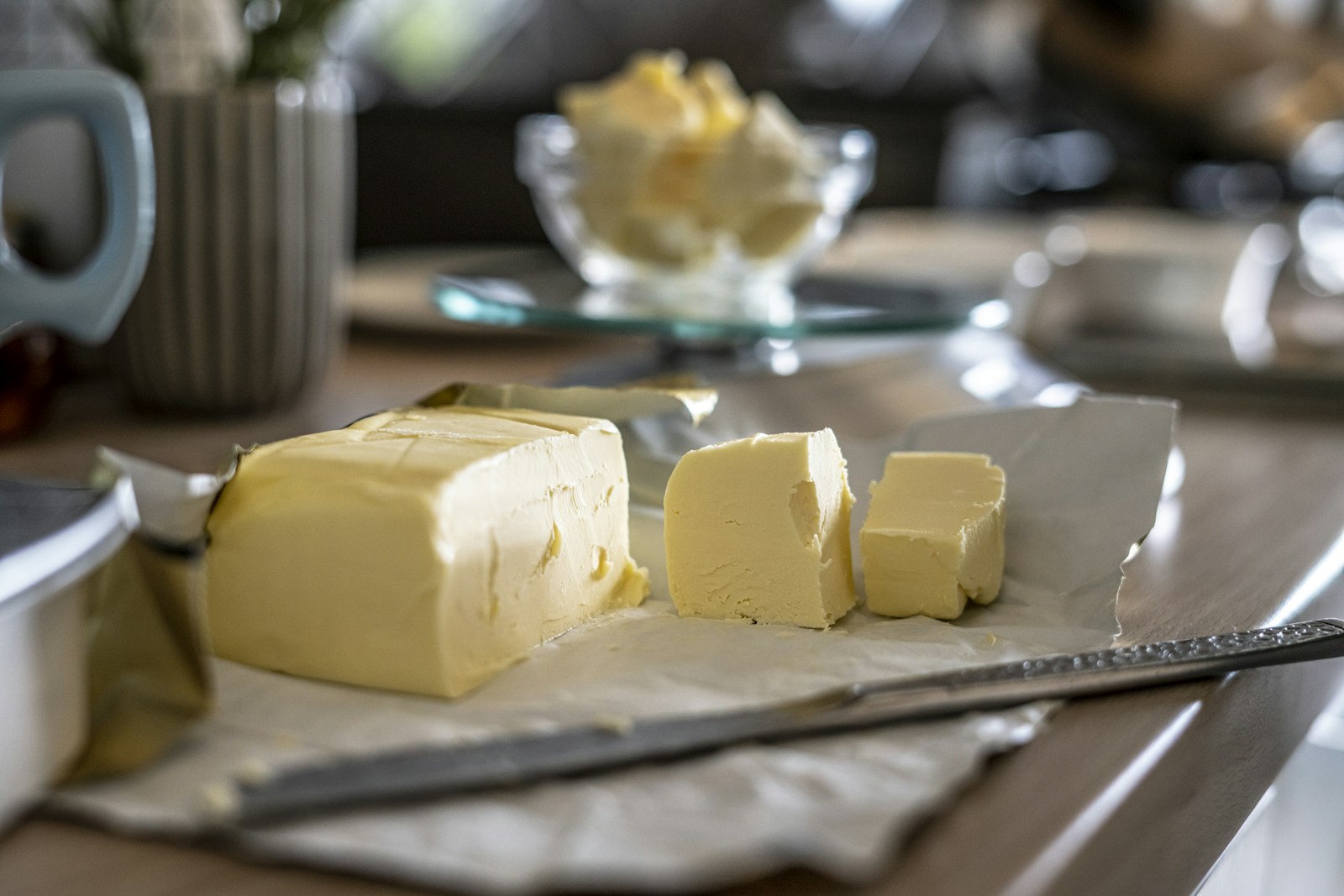
- Margarine: While products with reduced trans fats have increased in Japan, they are not completely free of trans fats. Replace with butter or high-quality vegetable oils (olive, canola).
- Even products labeled "0g trans fat" may contain less than 0.5g per 100g (U.S. standard). Consuming multiple items can lead to cumulative intake.
⚠️ Cautions
1. “Natural trans fats” (derived from cow’s and sheep’s milk) are a different matter: CLA and similar compounds are not as harmful as artificial trans fats.
2. Japan lags behind in regulation: The U.S., Canada, Denmark, and Thailand have banned them in principle. Japan has no labeling requirements. Consumers must avoid them voluntarily.
3. Frying oil: Reusing oil generates trans fats. Even at home, change the oil frequently.
4. Complete avoidance is difficult in practice: “Avoiding major sources of intake” is the practical solution.
📝 Summary
- Trans fats are the food component most clearly identified as harmful (Level 1)
- The FDA and WHO have set goals to regulate and eliminate them
- Avoid margarine, sweet breads, and products containing shortening
- Since there is no mandatory labeling requirement in Japan, consumers must avoid these products on their own initiative
📚 References
- Mozaffarian D, et al. N Engl J Med. 2006;354(15):1601-1613.
- Ascherio A, et al. N Engl J Med. 1999;340(25):1994-1998.
- de Souza RJ, et al. BMJ. 2015;351:h3978.
- WHO REPLACE Action Package. 2018.
⚠️ Disclaimer
- This page is based on peer-reviewed scientific research, but it is not a substitute for medical care
- Please consult a doctor or registered dietitian regarding individual health decisions.