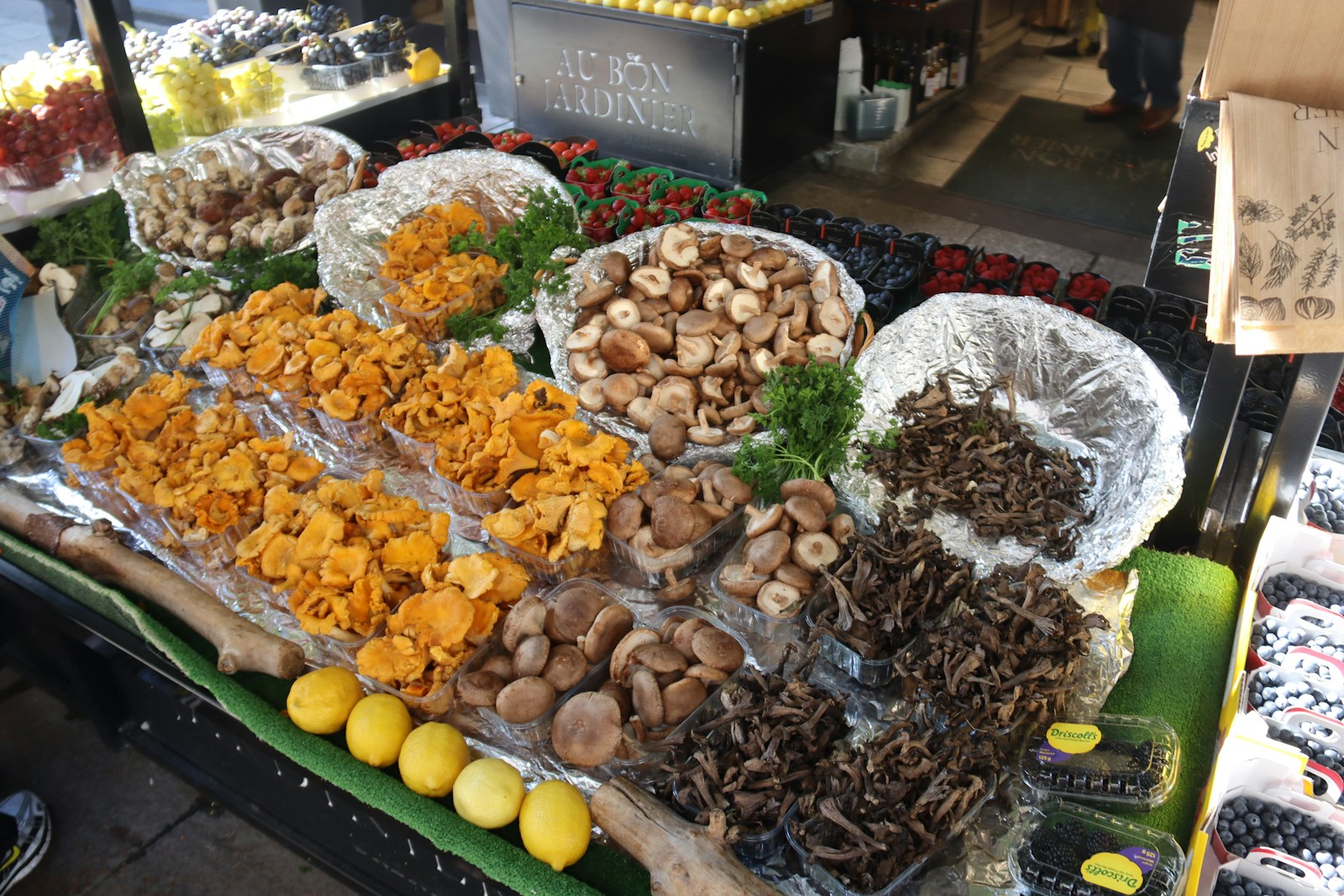
Mushrooms are casually labeled “healthy” — but the basis for that claim is rarely spelled out. We look at the actual RCT and cohort evidence behind beta-glucans, ergothioneine, and vitamin D, and what a sensible weekly serving looks like.
Conclusion: Eating mushrooms at least twice a week significantly reduces the risk of mild cognitive impairment (MCI); they are low in calories and rich in dietary fiber.
[Level 2 (Strong)] [Diet & Nutrition] [Recommended]
Mushrooms contain beta-glucans, ergothioneine (a powerful antioxidant), and vitamin D precursors, and a study of the Singapore GOLD Cohort showed they reduce the risk of mild cognitive impairment (MCI) by 50%. They are low in calories and carbohydrates, making them a good fit for the Japanese diet.
📊 Effect Sizes and Key Studies
- Feng et al., J Alzheimers Dis 2019: 663 participants in Singapore, 6-year follow-up. Consuming at least two servings of mushrooms per week was associated with a 50% reduction in the risk of MCI (OR 0.50).
- Ba et al., Adv Nutr 2021: Meta-analysis of 17 cohorts involving approximately 200,000 participants. Mushroom consumption was associated with a 34% reduction in overall cancer risk, particularly a 35% reduction in breast cancer risk.
- Beelman et al., Adv Nutr 2020: Review positioning ergothioneine as a candidate “longevity vitamin.” Mushrooms have the highest ergothioneine content of any food.
- Calvo et al., Dermatoendocrinol 2013: Vitamin D2 from UV-irradiated mushrooms is as effective as supplements.
💡 The Bottom Line
Ergothioneine prevents oxidative damage to mitochondria and nerve cells. Beta-glucan supports the immune system (by activating NK cells) and improves lipid metabolism. Vitamin D precursors (ergosterol) are activated by UV exposure.
🎯 How to Start
Aim for at least twice a week, 1 cup (about 75g) per serving:
- Combine shiitake, maitake, shimeji, king oyster, and enoki mushrooms.
- Simply add them to stir-fries, soups, or pasta. They’re low in calories and help you feel full.
- Sun-dried shiitake mushrooms have dramatically higher levels of vitamin D2 (more than 30 times that of fresh shiitake mushrooms).
- The nutritional value remains the same even with frozen mushrooms.
⚠️ Cautions
1. Never eat wild mushrooms based on your own judgment: Some are deadly.
2. Gout: Mushrooms (especially dried shiitake) are somewhat high in purines.
3. Allergies: While rare, they do occur.
📝 Summary
- Mushrooms: Cohort evidence for dementia and cancer prevention (Level 2)
- Aim for at least twice a week, 75g per serving
- Highest ergothioneine content among foods
- Sun-drying also increases vitamin D content
📚 References
- Feng L, et al. J Alzheimers Dis. 2019;68(1):197-203.
- Ba DM, et al. Adv Nutr. 2021;12(5):1691-1704.
- Beelman RB, et al. Adv Nutr. 2020;11(4):765-768.
⚠️ Disclaimer
- This page is based on peer-reviewed scientific research, but it is not a substitute for medical care
- Please consult a doctor or registered dietitian regarding individual health decisions.