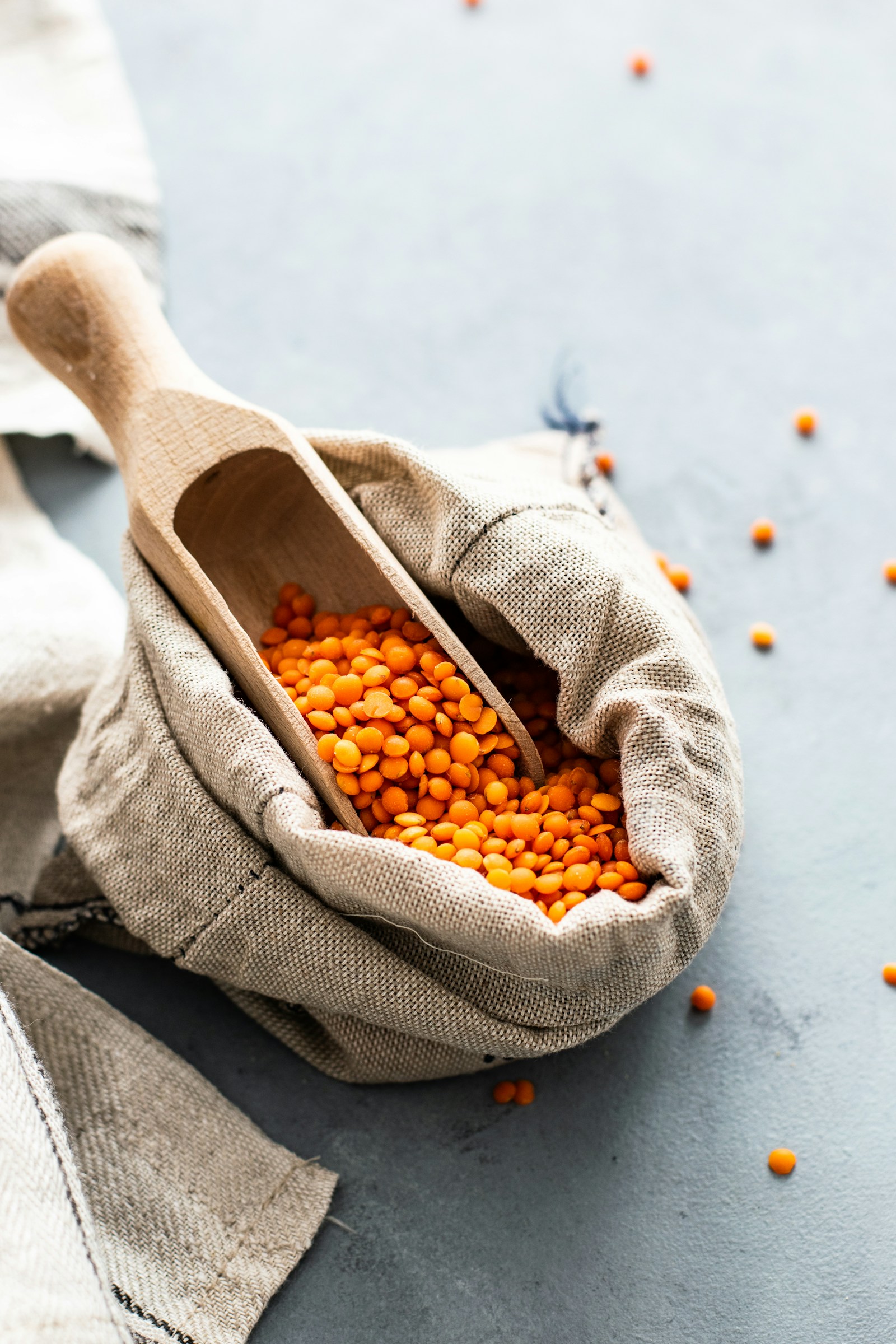
Beans, lentils, and chickpeas are protein and fiber powerhouses, central to both Mediterranean and DASH eating patterns. How much, how often, and what changes in cardiovascular risk, type 2 diabetes risk, and weight management when you make them a habit? Here’s the data.
Conclusion: Eating legumes at least four times a week reduces the risk of cardiovascular disease, type 2 diabetes, and colorectal cancer; they are a staple food common to the world’s five regions with the longest life expectancies.
[Level 1 (Strongest)] [Diet & Nutrition] [Strongly recommended]
Legumes (such as chickpeas, lentils, black beans, soybeans, and adzuki beans) have been shown in the PREDIMED and Adventist Health Studies to reduce the risk of cardiovascular disease, and they are a staple food common to the world’s five Blue Zones (including Okinawa and Sardinia). They provide an affordable source of plant-based protein, dietary fiber, and folate.
📊 Effect Sizes and Key Studies
- Bazzano et al., Arch Intern Med 2001: NHANES I follow-up study, 9,632 participants. Consuming legumes at least four times a week was associated with a 22% reduction in the risk of coronary heart disease.
- Estruch et al., NEJM 2018 (PREDIMED): A Mediterranean diet plus legumes reduces cardiovascular events. Legumes are a core component of the Mediterranean diet.
- Jenkins et al., Arch Intern Med 2012: 121 patients with T2DM, 3-month RCT. In the legume intake group, HbA1c decreased by 0.5% and blood pressure decreased.
- Aune et al., Am J Clin Nutr 2009: Meta-analysis of 14 cohorts. Legume intake reduces colorectal cancer risk by 9%.
- Buettner & Skemp, Am J Lifestyle Med 2016: Blue Zone analysis identified “one cup of legumes per day” as the most common dietary factor among long-lived populations.
💡 The Bottom Line
Rich in resistant starch, dietary fiber, plant-based protein, folate, magnesium, and potassium. Low on the glycemic index (GI), it promotes a gentle insulin response. It is fermented by gut bacteria into short-chain fatty acids (butyrate), which have anti-inflammatory effects.
🎯 How to Start
Aim for 1/2 cup (about 100g of cooked beans) at least four times a week:
- Keeping canned beans (chickpeas, black beans, kidney beans) on hand makes things so much easier.
- Adding them to salads, soups, and curries makes it easier to stick with the habit.
- Miso, natto, and tofu are also considered legumes (Japanese people consume them without even realizing it).
- Hummus (chickpea paste) is easy to use as a dip or in sandwiches.
⚠️ Cautions
1. Gas: Caused by oligosaccharides. Start with small amounts and gradually increase intake. Thorough cooking can help reduce this.
2. Lectins: Raw or undercooked beans pose a risk of poisoning. There is no problem if they are thoroughly cooked.
3. Purines: People with gout should exercise moderate caution when consuming soy products.
📝 Summary
- Legumes are a staple food common to the world’s five regions with the longest life expectancies (Level 1)
- Aim for at least 4 times a week, about 1/2 cup per serving
- An affordable source of plant-based protein, dietary fiber, and folate
- Easy to incorporate into your diet by using canned beans
📚 References
- Bazzano LA, et al. Arch Intern Med. 2001;161(21):2573-2578.
- Jenkins DJ, et al. Arch Intern Med. 2012;172(21):1653-1660.
- Aune D, et al. Am J Clin Nutr. 2009;90(2):283-294.
- Buettner D, Skemp S. Am J Lifestyle Med. 2016;10(5):318-321.
⚠️ Disclaimer
- This page is based on peer-reviewed scientific research, but it is not a substitute for medical care
- Please consult a physician or registered dietitian regarding individual health decisions.