Bottom Line
- Lower all-cause mortality: Level 1 — Large meta-analyses show 15% lower mortality at 3–4 cups/day, with a clear dose-response.
- Cardiovascular disease prevention: Level 1 — 17% lower CVD mortality at 2.5 cups/day.
- Type 2 diabetes prevention: Level 1 — Each cup/day reduces risk by 6%.
- Liver disease prevention (cirrhosis, liver cancer): Level 1 — Strong protective effect.
- Parkinson’s disease prevention: Level 2 — Observational studies show association.
- “Coffee is bad for you”: Level 4 — Outdated claim. Modern high-quality research has overturned it.
Overall verdict: Up to 3–4 cups daily is net positive for health. Caffeine sensitivity, timing, and milk/sugar additions affect the balance. Pregnant women, insomniacs, and those with specific conditions should be cautious.
☕ What Is Coffee?
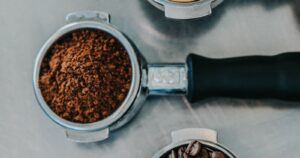
A beverage made from roasted and brewed coffee beans (the seeds of the Coffea plant). One of the world’s most consumed beverages, after water and tea. Average Japanese consumption is roughly 180 cups per person per year.
Key Players: Caffeine + Chlorogenic Acid + Diterpenes
- Caffeine: 40–80 mg per 100 mL — alertness, fat burning, exercise performance
- Chlorogenic acid (polyphenol): antioxidant, blood-glucose modulating, anti-inflammatory
- Cafestol and kahweol (diterpenes): raise LDL cholesterol; removed by paper filters
- Niacin (vitamin B3): produced during roasting
- Magnesium and potassium: present in modest amounts
📊 Evidence #1: Lower All-Cause Mortality (Level 1)
- 2019 meta-analysis (40 cohort studies, 3.8 million participants): non-linear inverse relationship between coffee intake and mortality
- 3.5 cups/day: 15% lower all-cause mortality (RR=0.85)
- 2.5 cups/day: 17% lower cardiovascular mortality (RR=0.83)
- 2 cups/day: 4% lower cancer mortality (RR=0.96)
- A J-shaped curve — both too little and too much reduce the benefit
Timing Matters (2025 European Heart Journal)
A 2025 large study showed that concentrating coffee in the morning produces greater all-cause and cardiovascular mortality benefit than spreading it throughout the day. Evening coffee may cancel out the benefit.
📊 Evidence #2: Type 2 Diabetes Prevention (Level 1)
- Meta-analysis (28 studies, 1.1 million participants): 6% lower T2D risk per cup/day
- 33% lower at 6 cups/day (clear dose-response)
- Effect persists with decaffeinated coffee → chlorogenic acid is the main driver, not caffeine
- Mechanism: hepatic gluconeogenesis suppression, improved insulin sensitivity, gut microbiome effects
📊 Evidence #3: Liver and Liver Cancer Prevention (Level 1)
- Cirrhosis risk: 44% lower at 2+ cups/day (meta-analysis)
- Liver cancer risk: 15% lower per additional cup/day
- NAFLD (non-alcoholic fatty liver) progression slowed
- This is one of coffee’s strongest evidence bases
📊 Evidence #4: Neurodegenerative Disease Prevention (Level 2)
- Parkinson’s disease: 25–30% lower risk in observational studies
- Alzheimer’s disease: weak but protective signal
- Mechanism: caffeine’s adenosine receptor antagonism, antioxidant effects
⚠️ “Coffee Is Bad for You” Is Outdated
Through the 1980s–90s, the prevailing view was “coffee harms cardiovascular health and increases cancer risk.” This was largely because those studies didn’t adequately adjust for smoking, a major confounder. With modern, high-quality research that properly adjusts for confounding, coffee shows protective effects for nearly all major diseases.
WHO/IARC withdrew the previous Group 2B carcinogen classification in 2016, instead noting protective effects against liver and endometrial cancer.
🥗 Practical Guide
Recommended Intake
- 3–4 cups per day (150 mL each) hits the optimum range
- Caffeine total: up to 400 mg/day (EFSA, Japan MHLW)
- Caffeine per cup: drip 60–100 mg, espresso 60–80 mg, canned coffee 30–100 mg
How to Drink
- Concentrate in the morning: maximizes longevity benefit, avoids sleep disruption
- Avoid 6 hours before bed: caffeine half-life is ~5 hours
- Use paper filters: removes cafestol (LDL-raising diterpene)
- Limit added sugar: cancels out metabolic benefits
- Milk is fine: observational studies maintain mortality benefit
- Decaf retains metabolic benefits for caffeine-sensitive people
⚠️ Cautions
| Situation | What to Do |
|---|---|
| Pregnancy / breastfeeding | Caffeine ≤200 mg/day (≤2 cups). WHO and Japan MHLW guidance |
| Insomnia / sleep disorder | Avoid afternoon coffee, switch to decaf |
| Arrhythmia / palpitations | Highly individual; consult physician if symptoms appear |
| GERD (acid reflux) | Caffeine relaxes lower esophageal sphincter; start with small amounts |
| High caffeine sensitivity | If genetically slow-metabolizer (CYP1A2), risk of side effects is higher |
| Osteoporosis risk | Heavy intake increases calcium excretion; add milk to compensate |
| Heavy energy drink consumption | Risk of caffeine intoxication; cardiac sudden-death case reports exist |
🆚 Coffee vs. Other Caffeinated Beverages
| Beverage | Caffeine (mg/cup) | Main Polyphenol | Health Evidence |
|---|---|---|---|
| Drip coffee | 60–100 | Chlorogenic acid | ★★★ Level 1 across many diseases |
| Espresso | 60–80 (30 mL) | Chlorogenic acid | ★★★ Same |
| Green tea | 30–50 | Catechins (EGCG) | ★★★ Level 1–2 |
| Black tea | 30–70 | Theaflavins | ★★ Level 2 |
| Oolong tea | 30–40 | Oolong polyphenols | ★★ Level 2 |
| Canned (sweetened) coffee | 30–100 | Chlorogenic acid (low) | ★ Sugar offsets benefit |
| Energy drinks | 40–150+ | None | × Sugar and additives heavy |
📚 Key References
- Kim Y et al. Coffee consumption and all-cause mortality: meta-analysis. Eur J Epidemiol. 2019;34:731-752.
- Wang X et al. Coffee drinking timing and mortality. Eur Heart J. 2025;46(8):749-759.
- Carlström M, Larsson SC. Coffee and reduced risk of type 2 diabetes. Nutr Rev. 2018;76:395-417.
- IARC Working Group. Drinking coffee, mate, and very hot beverages. IARC Monogr. 2018;116.
- Loomis D et al. Carcinogenicity of drinking coffee. Lancet Oncol. 2016;17:877-878.
🔗 Related Articles
- The Mediterranean Diet — The Most Robustly Evidenced Eating Pattern
- Foods Deep Dive — A Tier A–D View of the Whole Food Landscape
- Supplements Deep Dive — A Tier A–D View
⚠️ Disclaimer
This article is for general health information only. Pregnant, breastfeeding, or treated for cardiac conditions or insomnia: consult your physician. Excessive energy drink consumption carries caffeine intoxication risk.
evidage Editorial Team / Hydrowing Lab Inc. / May 1, 2026