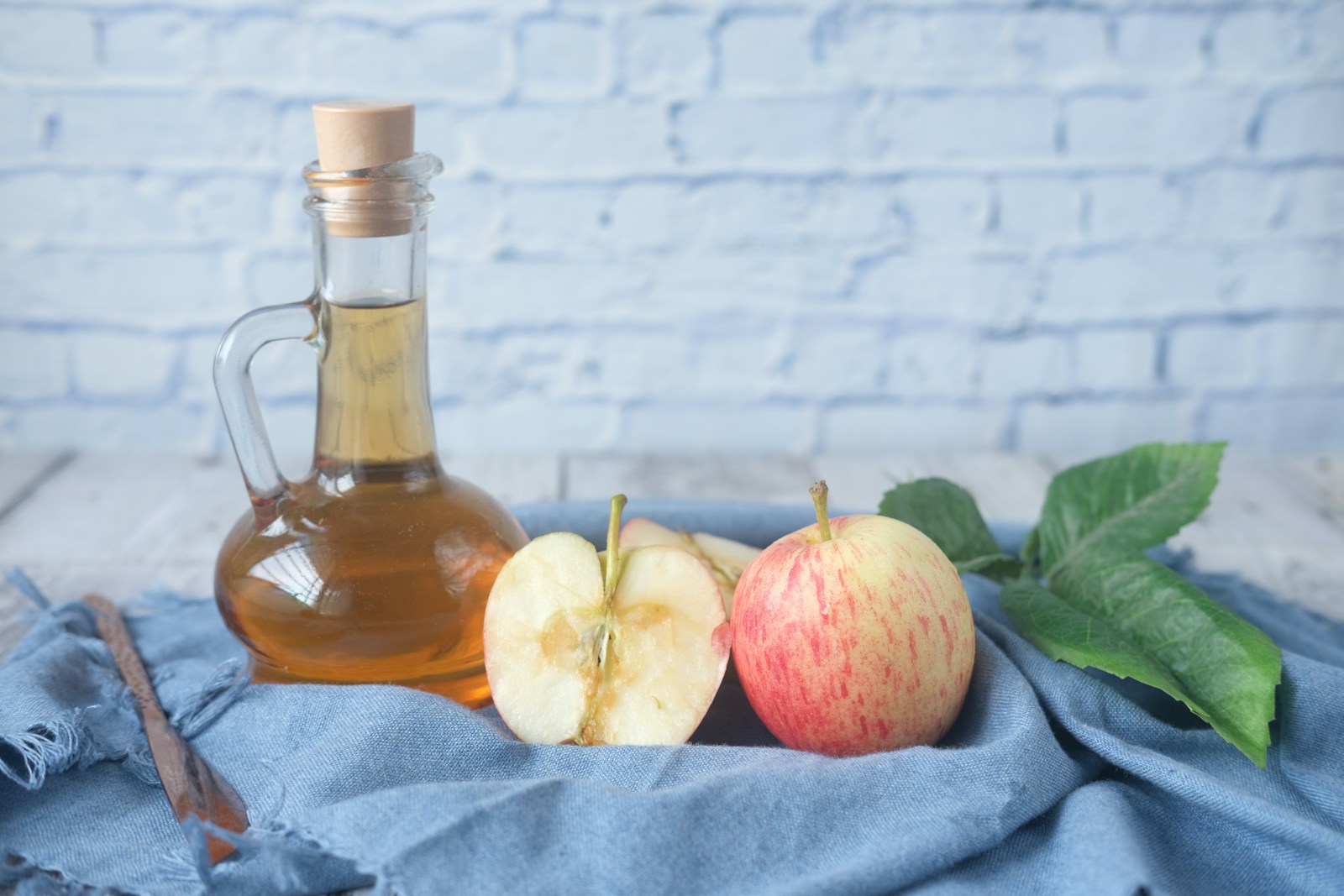
“Drink vinegar to lose weight.” “Vinegar lowers blood sugar.” These claims are everywhere — but how much of it survives a careful read of the trials? We walk through what 1–2 tablespoons a day actually does to glucose, weight, and lipids, and where the cautions about teeth and reflux genuinely matter.
Conclusion: Vinegar (acetic acid) helps suppress postprandial blood glucose spikes, and there is evidence that it improves weight and lipid profiles; however, caution is advised regarding its effects on teeth and the stomach.
[Level 2 (Strong)] [Diet & Nutrition] [Recommended]
Acetic acid, a component of vinegar, has been shown in multiple randomized controlled trials (RCTs) and meta-analyses to suppress postprandial blood glucose levels and insulin response, as well as to produce mild improvements in body weight and blood lipid levels. It is expected to be most beneficial for individuals with prediabetes, type 2 diabetes, and those at risk of metabolic syndrome. However, clear caution is required regarding tooth enamel erosion, exacerbation of gastroesophageal reflux disease (GERD), and drug interactions.
📊 Effect Sizes and Key Studies
Postprandial blood glucose control (strongest evidence)
- Liljeberg & Björck, Eur J Clin Nutr 1998: Consuming vinegar with bread reduced the postprandial glucose response by 31% and the insulin response by 34%.
- Johnston et al., Diabetes Care 2004: A randomized controlled trial (RCT) in adults with insulin resistance. Taking 20 mL of apple cider vinegar before meals reduced postprandial blood glucose levels by 34%.
- Shishehbor et al., Diabetes Res Clin Pract 2017: A meta-analysis of patients with type 2 diabetes. HbA1c: −0.39%; fasting blood glucose: −7.97 mg/dL.
- Siddiqui et al., BMJ Nutrition, Prevention & Health 2023: A meta-analysis of 9 RCTs involving 685 participants. Significant suppression of postprandial glycemic response was observed, with greater effects when combined with a high-carbohydrate diet.
Weight and Body Composition
- Kondo et al., Biosci Biotechnol Biochem 2009: A 12-week RCT involving 155 obese Japanese participants. The group taking 15 mL of apple cider vinegar per day lost 1.2 kg, while the group taking 30 mL per day lost 1.7 kg; visceral fat area also decreased significantly.
- Khezri et al., J Funct Foods 2018: 12-week RCT showed weight −1.65kg, BMI −0.51, blood TG −20.0mg/dL。
Blood Lipids (Meta-analysis)
- Hadi et al., BMC Complementary and Alternative Medicine 2021: Meta-analysis of 9 RCTs involving 520 participants. TC −5.83 mg/dL, TG −7.27 mg/dL, significant reduction in LDL-C, significant increase in HDL-C.
Satiety and food intake
- Östman et al., Eur J Clin Nutr 2005: Consuming vinegar at breakfast significantly increased subjective feelings of fullness and reduced total daily energy intake by approximately 200 kcal.
🔬 Mechanism of action
- Delayed gastric emptying: Acetic acid slows gastric emptying and reduces the rate of small intestinal glucose absorption
- AMPK activation: Acetic acid activates AMPK in the liver and skeletal muscle, thereby inhibiting gluconeogenesis and promoting fatty acid oxidation
- Promotes GLP-1 secretion: Stimulates GLP-1 secretion from intestinal L cells, thereby increasing insulin secretion
- Effect on the satiety center: Transmits appetite-suppressing signals via the vagus nerve
- Inhibition of SGLT-2 expression: Inhibition of glucose reabsorption in the kidneys (based on animal studies)
🎯 How to Start
Take 1 to 2 tablespoons (15 to 30 mL) daily, either with meals or before meals:
- Always dilute with water (1 tablespoon per 200 mL cup). Do not drink undiluted.
- It is most effective when taken during a meal or immediately before a meal (to help control postprandial blood sugar levels).
- The easiest way to use it is as a salad dressing: a combination of olive oil, vinegar, salt, and pepper.
- After drinking, rinse your mouth with water (to protect your tooth enamel). Drinking through a straw minimizes contact with your teeth.
- Avoid consuming before bedtime (lying down increases the risk of reflux).
How to Choose the Right Type of Vinegar:
- Apple cider vinegar: Mild and easy to drink. It is the most commonly used type in research.
- Rice vinegar and black vinegar: Go well with Japanese cuisine. High in amino acids.
- Balsamic vinegar: Because it has a high sugar content, it is not suitable for consumption in large quantities if your goal is to control blood sugar. Use it for flavoring.
- Wine vinegar: It contains polyphenols and is low in calories.
⚠️ Cautionss (Common Misconceptions)
1. Tooth Enamel Erosion
Vinegar has a pH of 2 to 3, and drinking it undiluted on a regular basis can cause irreversible damage to tooth enamel. Be sure to dilute it with water, rinse your mouth after drinking, and use a straw.
2. Worsening of reflux esophagitis
For people with GERD, vinegar may worsen heartburn. If you experience symptoms, stop using it or consult your doctor.
3. Case Report on Esophageal Injury
There is a reported case (Hill 2005) of a 30-year-old woman who choked on an apple cider vinegar tablet and sustained damage to her esophagus. We do not recommend taking apple cider vinegar in tablet form (it should be diluted in liquid before consumption).
4. Drug Interactions
- Insulin and sulfonylurea drugs (SU agents): Increased risk of hypoglycemia. If you are being treated for diabetes, consult your doctor.
- Digoxin (a cardiac glycoside): Long-term, high-volume consumption of vinegar increases the risk of digoxin toxicity due to potassium loss.
- Diuretics: Increased potassium loss.
5. Hypokalemia due to chronic high-dose intake
A case report of a 28-year-old woman who developed hypokalemia and osteoporosis after consuming more than 200 mL per day for six years (Lhotta 1998). There are no concerns within reasonable limits (up to ~30 mL/day).
6. "Vinegar drastically reduces visceral fat" is an exaggeration
While it is true that you can lose 1 to 2 kg in 12 weeks, this product is not a substitute for a healthy diet and exercise. It is intended solely as a supplement.
👥 Especially recommended for people like this
- People with elevated postprandial blood glucose levels (prediabetes, with HbA1c between 5.7% and 6.4%)
- People with type 2 diabetes (to be used in conjunction with medication after consulting a doctor)
- For those concerned about metabolic syndrome or visceral fat
- People who eat a diet high in carbohydrates (rice, bread, noodles)
- For those who have difficulty controlling their appetite (to help you feel full)
📝 Summary
- The postprandial blood glucose-lowering effect of acetic acid has been established through meta-analysis (Level 2)
- Improvements in body weight and blood lipid levels have been confirmed in RCTs, but the effect size is modest (−1 to 2 kg over 12 weeks)
- The ideal routine is to take 15–30 mL diluted in water during or before a meal.
- Be sure to pay attention to these three points: teeth, stomach, and drug interactions
- It is not a substitute for diet or exercise, but should be viewed strictly as a supplementary habit.
📚 References
- Liljeberg H, Björck I. Eur J Clin Nutr. 1998;52(5):368-371.
- Johnston CS, et al. Diabetes Care. 2004;27(1):281-282.
- Östman E, et al. Eur J Clin Nutr. 2005;59(9):983-988.
- Kondo T, et al. Biosci Biotechnol Biochem. 2009;73(8):1837-1843.
- Mitrou P, et al. J Diabetes Res. 2015;2015:175204.
- Shishehbor F, et al. Diabetes Res Clin Pract. 2017;127:1-9.
- Khezri SS, et al. J Funct Foods. 2018;43:95-102.
- Hadi A, et al. BMC Complement Med Ther. 2021;21(1):179.
- Siddiqui FJ, et al. BMJ Nutrition, Prevention & Health. 2023;6(1):165-176.
- Hill LL, et al. J Am Diet Assoc. 2005;105(7):1141-1144 (esophageal injury cases)
- Lhotta K, et al. Nephron. 1998;80(2):242 (Case of hypokalemia)
⚠️ Disclaimer
- This page is based on peer-reviewed scientific articles, but it is not a substitute for medical care.
- If you are taking diabetes medication, diuretics, or digoxin, be sure to consult your doctor or pharmacist.
- If you have a history of reflux esophagitis or gastric ulcers, stop taking this medication if your symptoms worsen.