Miso, kimchi, natto, yogurt — the fermented-foods story has staying power. The microbiome effects are real, but “good for everything” isn’t quite right. We map the genuine wins against the sodium catch.
Conclusion: Fermented foods improve gut microbiota diversity and have been shown to reduce inflammation markers in a Stanford study.
[Level 2 (Strong)] [Diet & Nutrition] [Recommended]
The Sonnenburg Lab (Stanford) published a groundbreaking study in *Cell* in 2021, demonstrating that consuming six servings of fermented foods per day increases gut bacterial diversity and reduces 19 inflammatory markers. As a result, the evidence supporting the health benefits of fermented foods—such as miso, kimchi, yogurt, natto, sauerkraut, kefir, and kombucha—continues to grow stronger each year.
📊 Effect Sizes and Key Studies
- Wastyk et al., Cell 2021 (Stanford): A 10-week RCT involving 36 adults. The group consuming six servings of fermented foods per day showed increased gut microbiota diversity and reduced levels of 19 inflammatory markers (including IL-6 and CRP). The effects were more pronounced than in the high-fiber group.
- Marco et al., Curr Opin Biotechnol 2017: Review of fermented foods. Consumption of a variety of fermented foods is beneficial for metabolic, immune, and neurological functions.
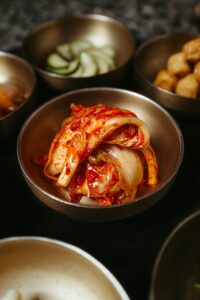
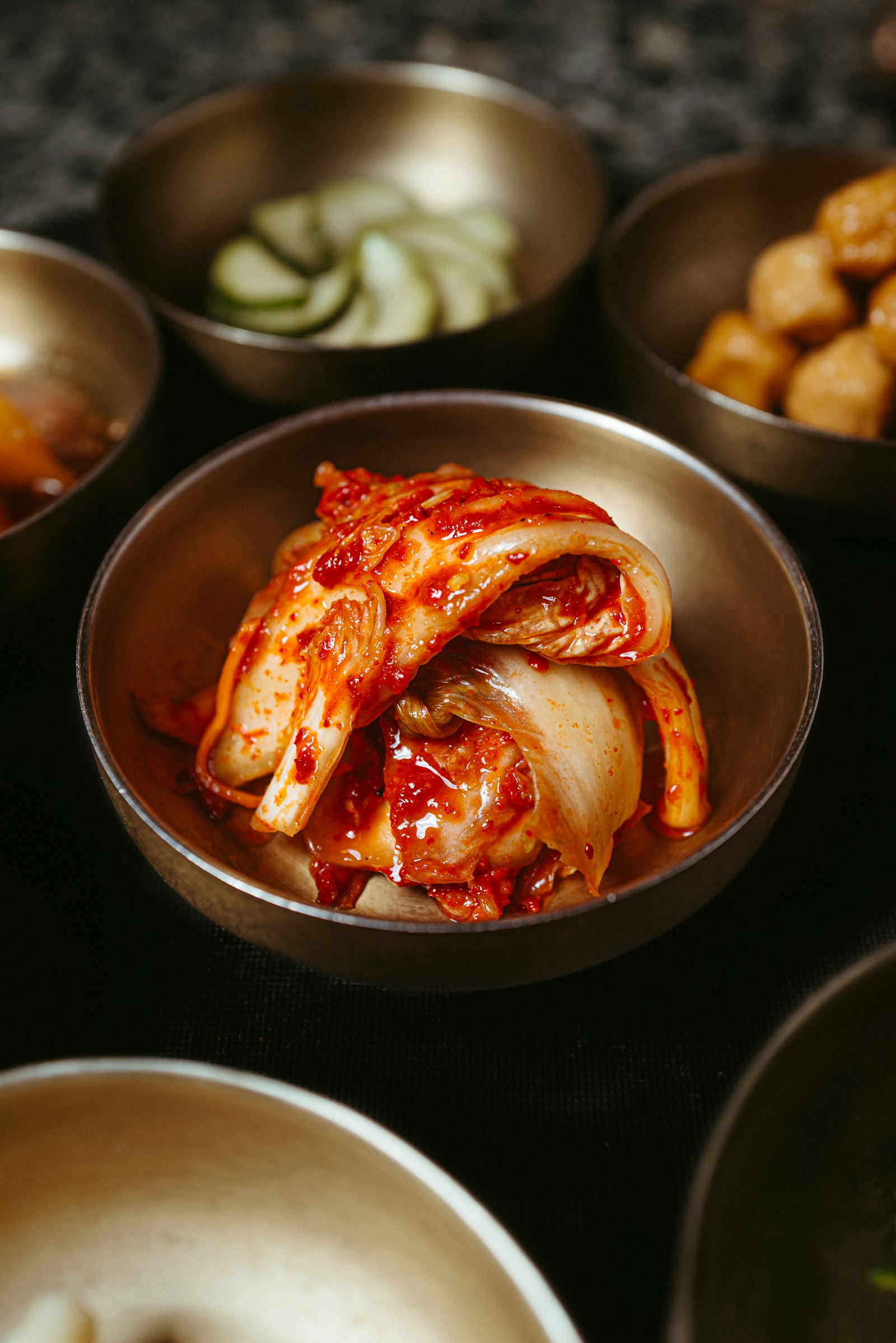
- Park et al., J Med Food 2014: A cohort study on kimchi consumption and metabolic syndrome in Koreans. Kimchi intake was inversely correlated with the risk of metabolic syndrome.
- Kobayashi et al., BMC Med 2017: JPHC cohort of approximately 90,000 people. Natto consumption was associated with a 10% reduction in all-cause mortality and a 24% reduction in cardiovascular disease mortality.
💡 The Bottom Line
Fermenting microorganisms (such as lactic acid bacteria, Bifidobacterium, and yeast) improve the intestinal environment. They play a role in the production of short-chain fatty acids, mucosal immunity, and neurotransmitters (such as GABA). Metabolites produced during fermentation (such as bacteriocins and organic acids) also have unique effects.
🎯 How to Start
Several times a day, in a variety of forms:
- With one bowl of miso soup a day plus yogurt and natto, Japanese people can easily achieve this without even thinking about it.
- Adding kimchi, sauerkraut, and kombucha increases microbial diversity.
- Choose "unpasteurized" raw fermented foods (yogurt, kimchi, kombucha, and others). While the microbes in simmered miso soup die, their metabolic byproducts remain.
- Choose sugar-free varieties (be mindful of added sugar in drinkable yogurt and kombucha).
⚠️ Cautions
1. Salt Content: Miso, kimchi, and sauerkraut are high in salt. Limit your intake to about 1–2 bowls of miso soup per day.
2. Histamines: Fermented foods are rich in histamines. They may cause headaches or hives in some people.
3. Kombucha: Homemade kombucha carries a risk of bacterial contamination. Even with store-bought products, be cautious of those high in sugar.
4. If you have a compromised immune system, consult your doctor before consuming raw fermented foods.
📝 Summary
- RCT Evidence (Level 2) on the Effects of Fermented Foods on Gut Microbiome Diversity and Inflammatory Markers
- Ideally, consume multiple types and multiple servings per day
- Japanese people can easily achieve this naturally through miso, natto, and yogurt
- Be mindful of sodium and histamine
📚 References
- Wastyk HC, et al. Cell. 2021;184(16):4137-4153.e14.
- Marco ML, et al. Curr Opin Biotechnol. 2017;44:94-102.
- Park KY, et al. J Med Food. 2014;17(1):6-20.
- Kobayashi M, et al. BMC Medicine. 2017;15(1):112.
⚠️ Disclaimer
- This page is based on peer-reviewed scientific research, but it is not a substitute for medical care
- Please consult a doctor or registered dietitian regarding individual health decisions.