WHO/IARC classifies processed meat as a carcinogen. Important context: how big is the actual risk increase per serving? We translate the relative risks into something you can apply, without either panic or denial.
Conclusion: Processed meat is classified as Group 1 by the IARC (carcinogenic to humans)—the highest category, the same as tobacco, and the evidence supporting its avoidance is the strongest.
[Level 1 (Strongest)] [Diet & Nutrition] [Strongly recommend limiting intake]
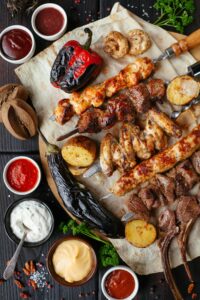
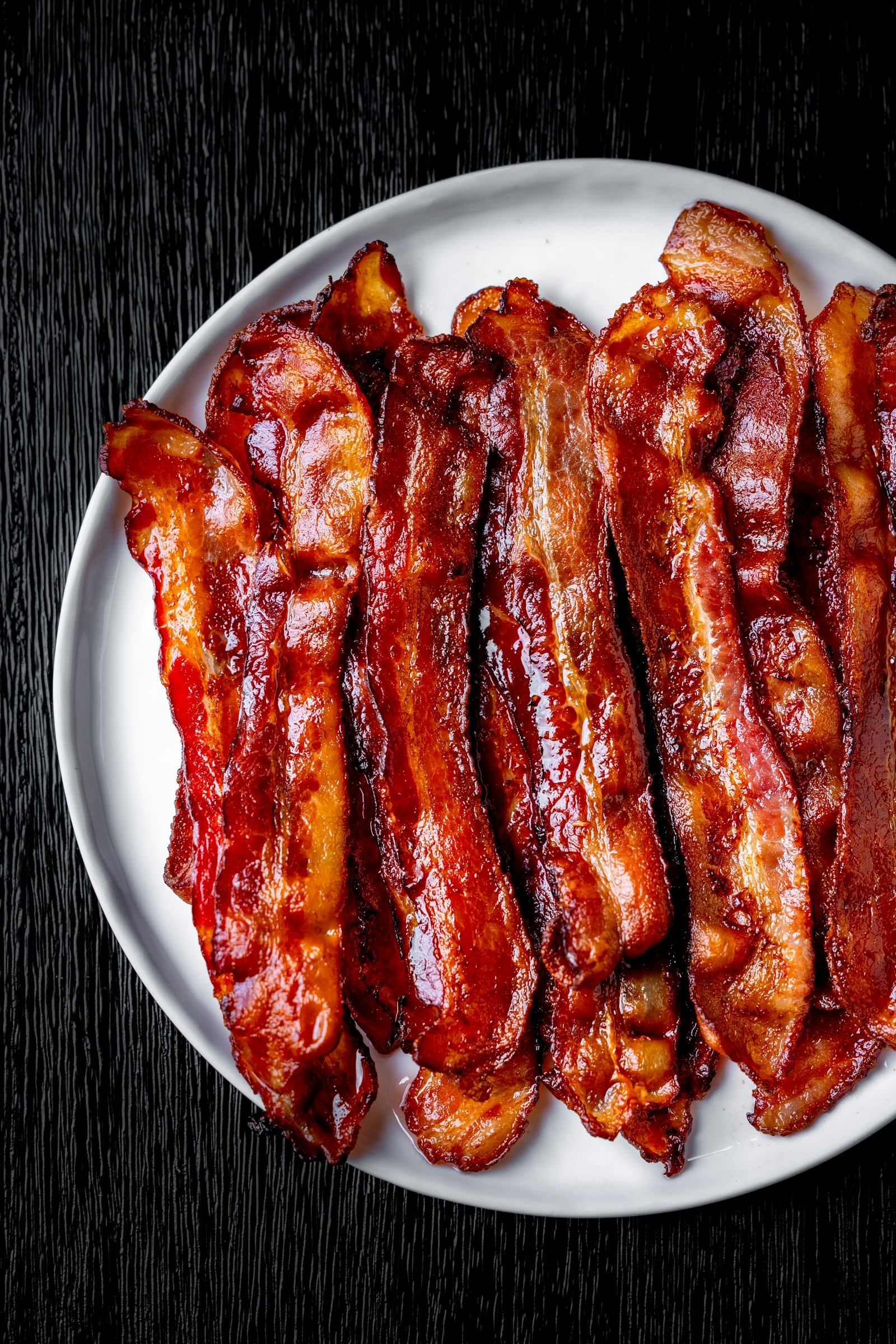
Processed meats (ham, sausage, bacon, salami, hot dogs) were classified as Group 1 carcinogens by the WHO/IARC (International Agency for Research on Cancer) in 2015. This is the highest category, the same as tobacco and asbestos. An additional daily intake of 50 grams (equivalent to two slices of bacon) increases the risk of colorectal cancer by 18%. There is also Level 1 evidence linking processed meat consumption to an increased risk of cardiovascular disease and all-cause mortality.
📊 Effect Sizes and Key Studies
- Bouvard et al., Lancet Oncol 2015 (IARC Working Group): Review of over 800 epidemiological studies. Processed meat classified as a Group 1 carcinogen; an additional 50 g per day increases the risk of colorectal cancer by 18%.
- Pan et al., Arch Intern Med 2012: Nurses’ Health Study, Physicians’ Health Study, and approximately 120,000 participants. One serving of processed meat per day was associated with a 20% increase in all-cause mortality, a 21% increase in cardiovascular disease mortality, and a 16% increase in cancer mortality.
- Micha et al., Circulation 2010: Meta-analysis of 20 studies. 50 g of processed meat per day was associated with a 42% increased risk of coronary heart disease and a 19% increased risk of diabetes.
- Larsson & Wolk, BMC Medicine 2014: Meta-analysis of 6 cohorts. Processed meat intake was associated with a 28% increase in the risk of heart failure.
💡 The Bottom Line
Nitrites and nitrates: Converted into carcinogenic N-nitroso compounds in the stomach. Polycyclic aromatic hydrocarbons (PAHs) and heterocyclic amines (HCAs): Formed during high-temperature cooking; cause DNA damage. Heme iron: Causes oxidative stress in the intestines. Salt: Consuming 10 g or more per day increases the risk of stomach cancer and high blood pressure.
🎯 How to Start
Set a realistic goal of “once a week or less” rather than “zero”:
- Replace bacon and sausage at breakfast with eggs, yogurt, and whole-grain toast.
- Replace ham in sandwiches with chicken, eggs, and hummus.
- Products labeled "unsalted" or "nitrite-free" are slightly better, but they often contain naturally occurring nitrites from ingredients like celery powder, so this isn’t a fundamental solution.
- It’s acceptable as an occasional treat on holidays or special occasions. Just don’t make it a daily habit.
⚠️ Cautions
1. “Lean meat” and “processed meat” are different: Unprocessed lean meat is classified as Group 2A (probably carcinogenic), and the risk is lower than that of processed meat. Processed meat is the biggest concern.
2. Children’s habits of eating ham and sausage are directly linked to their future risk of colorectal cancer. 3. Even products labeled “100% natural” or “no additives” produce PAHs during the smoking and salting processes.
4. You don’t need to give them up completely: One slice at a party or a few times a month is acceptable.
📝 Summary
- Processed meat is classified as a Group 1 carcinogen (the highest category) by the IARC (Level 1)
- An additional 50g per day increases the risk of colorectal cancer by 18%
- Aim for no more than once a week
- Replacing bacon and sausage at breakfast with eggs and yogurt is effective
📚 References
- Bouvard V, et al. Lancet Oncol. 2015;16(16):1599-1600 (IARC).
- Pan A, et al. Arch Intern Med. 2012;172(7):555-563.
- Micha R, et al. Circulation. 2010;121(21):2271-2283.
- Larsson SC, Wolk A. BMC Med. 2014;12:213.
⚠️ Disclaimer
- This page is based on peer-reviewed scientific research, but it is not a substitute for medical care
- Please consult a doctor or registered dietitian regarding individual health decisions.