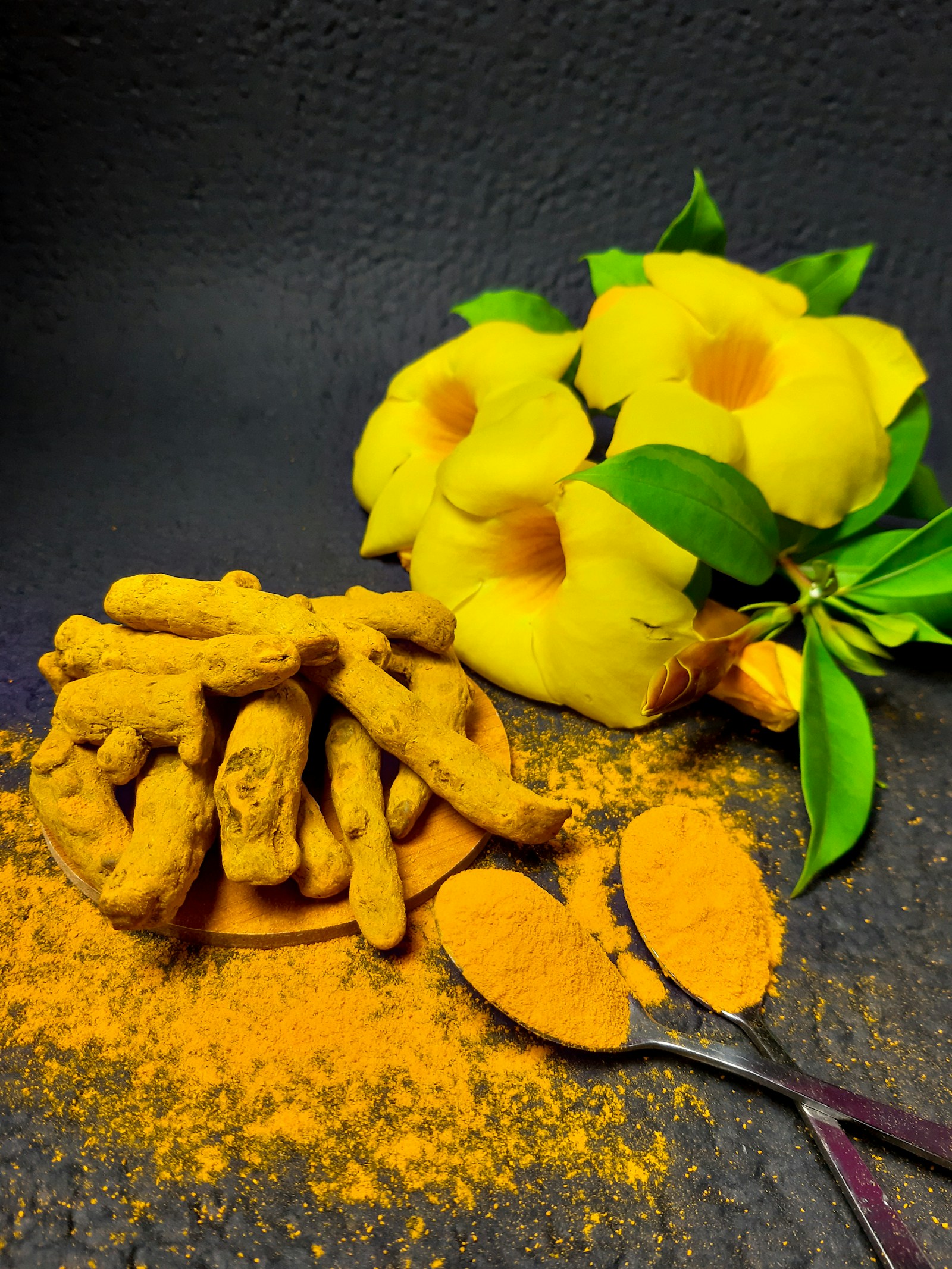
Turmeric is everywhere thanks to curcumin’s anti-inflammatory story. The catch: it’s barely absorbed by the body in its native form. We cover what supplemented forms can and can’t do, and the case reports of liver injury that you should know about.
Conclusion: While there is RCT evidence supporting curcumin’s anti-inflammatory effects and its ability to alleviate joint pain, claims that it “prevents Alzheimer’s” are exaggerated, and there have been reported cases of liver damage.
[Level 3 (Moderate)] [Diet & Nutrition] [Conditionally recommended]
While curcumin, the main active ingredient in turmeric, has meta-analysis-level evidence supporting its effectiveness in alleviating pain associated with osteoarthritis and improving mild depression, human randomized controlled trials (RCTs) demonstrating its ability to "prevent Alzheimer's disease" or "prevent cancer" have not yet been established, and there is a great deal of exaggerated advertising. Cases of liver damage associated with turmeric supplements have also been reported, so consuming it daily as a cooking spice is the safest approach.
📊 Effect Sizes and Key Studies
- Daily et al., J Med Food 2016: Meta-analysis of 8 RCTs. Curcumin (500–1,500 mg/day for 8–12 weeks) improved VAS pain scores in osteoarthritis of the knee, with efficacy comparable to NSAIDs.
- Ng et al., Crit Rev Food Sci Nutr 2017: Meta-analysis of 6 RCTs. Curcumin improved mild to moderate depressive symptoms; the effect size was comparable to that of SSRIs.
- Small et al., Am J Geriatr Psychiatry 2018: Small-scale RCT involving 40 elderly participants over 18 months. A trend toward improved memory and attention function was observed in the curcumin group (however, the sample size was small, so it is too early to draw conclusions).
- Nelson et al., J Med Chem 2017: A key review pointing out that curcumin has extremely low bioavailability (less than 1% when taken orally). It is classified as a “PAINS” compound (pan-assay interference compounds), and many in vitro studies may be false positives.
💡 The Bottom Line
Curcumin exerts anti-inflammatory effects by inhibiting the NF-κB pathway and COX-2. When taken together with piperine from black pepper, its absorption rate increases 20-fold. Since it is fat-soluble, its absorption is enhanced when taken with fats.
🎯 How to Start
For everyday use as a cooking spice:
- Use 1/2 to 1 teaspoon (1.5–3 g) of turmeric in curry and other spiced dishes.
- Absorption increases when taken with pepper and oil (coconut milk, olive oil, and others).
- Golden Milk (milk or soy milk + turmeric + pepper + honey) is easy to incorporate into your routine.
- Use supplements with caution: High doses (over 1,500 mg/day) have been linked to cases of liver damage. Consuming it in food is safer.
⚠️ Cautions
1. Case reports of liver damage: Dozens of cases of acute liver damage, including fatalities, have been reported in Italy and the United States. This is particularly true for “enhanced absorption products” (phospholipid complexes and nanoformulations).
2. Interactions with anticoagulants: Concomitant use with warfarin or antiplatelet agents increases the risk of bleeding.
3. Gallstones and biliary obstruction: May exacerbate these conditions by promoting gallbladder contractions.
4. High doses during pregnancy: Contraindicated due to concerns about uterine contractions. Low doses are not a concern.
5. Caution regarding claims of “Alzheimer’s prevention” and “cancer prevention”: Not established by human RCTs.
📝 Summary
- Curcumin has RCT evidence for joint pain and mild depression (Level 3)
- "Alzheimer's prevention" has not yet been established
- Daily consumption as a cooking spice is the safest method
- High-dose supplements have been linked to cases of liver damage; use with caution
📚 References
- Daily JW, et al. J Med Food. 2016;19(8):717-729.
- Ng QX, et al. Crit Rev Food Sci Nutr. 2017;57(8):1551-1559.
- Small GW, et al. Am J Geriatr Psychiatry. 2018;26(3):266-277.
- Nelson KM, et al. J Med Chem. 2017;60(5):1620-1637.
- Suhail FK, et al. ACG Case Rep J. 2020;7(8):e00415 (case of liver injury).
⚠️ Disclaimer
- This page is based on peer-reviewed scientific research, but it is not a substitute for medical care
- Please consult a physician or registered dietitian regarding individual health decisions.