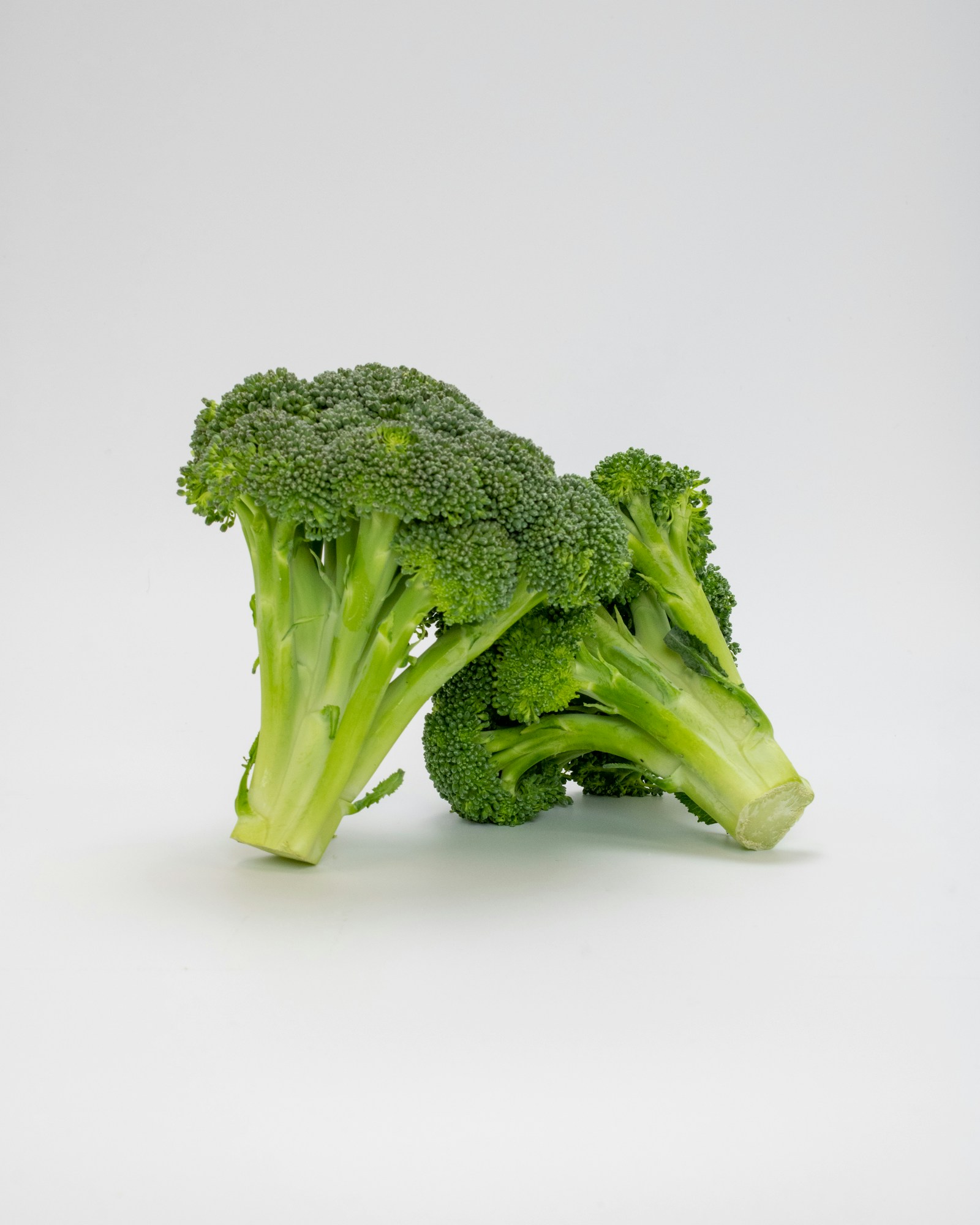
We’ve all been told to “eat your vegetables.” But what does the evidence actually show about how much of an effect leafy greens have, and on which outcomes? Daily targets, cooking method differences, and why supplements don’t substitute — all in one place.
Conclusion: Vegetables are the most important food for reducing the risk of all-cause mortality, cardiovascular disease, and cancer when consumed in amounts of five or more servings per day.
[Level 1 (Strongest)] [Diet & Nutrition] [Strongly recommended]
Consuming at least five servings a day (2 servings of fruit and 3 servings of vegetables) is associated with a 13% reduction in all-cause mortality, a 12% reduction in cardiovascular disease mortality, and a 10% reduction in cancer mortality. Dark green and cruciferous vegetables (such as broccoli and kale) are particularly effective.
📊 Effect Sizes and Key Studies
- Wang et al., Circulation 2021: 3 cohorts, approximately 2 million participants, 30-year follow-up. A daily intake of 5 servings (2 fruits + 3 vegetables) was associated with a 13% reduction in all-cause mortality, a 12% reduction in cardiovascular disease mortality, a 10% reduction in cancer mortality, and a 35% reduction in respiratory disease mortality.
- Aune et al., Int J Epidemiol 2017: Meta-analysis of 142 studies, 2 million people. A daily intake of 800 g (10 servings) was associated with a 31% reduction in all-cause mortality. The effect was particularly strong for leafy green vegetables and cruciferous vegetables.
- Joshipura et al., Ann Intern Med 2001: Nurses’ Health Study and Physicians’ Health Study—126,399 participants. Each additional daily serving of green leafy vegetables was associated with a 23% reduction in the risk of coronary heart disease.
- Liu et al., Adv Nutr 2017: Meta-analysis of cruciferous vegetables (broccoli, cabbage). Significant reduction in risk of stomach and colorectal cancer.
💡 The Bottom Line
Dietary fiber, vitamin K, folate, carotenoids (beta-carotene, lutein, zeaxanthin), sulforaphane (from cruciferous vegetables), and nitrates (from leafy greens) work together synergistically. Sulforaphane activates detoxification and antioxidant systems via the Nrf2 pathway.
🎯 How to Start
Aim for 5 servings (5 small plates) per day:
- Green leafy vegetables (spinach, komatsuna, kale) should be at least 1 serving per day (1 small bowl).
- Cruciferous vegetables (broccoli, cabbage, cauliflower): 3 or more times a week.
- Cooking methods: Steaming or light stir-frying is best. Overcooking causes folate and vitamin C to leach out. Microwave cooking is excellent for preserving nutrients.
- Frozen vegetables retain sufficient nutritional value (since they are frozen immediately after harvest).
- Combine with nuts and olive oil to boost absorption of fat-soluble vitamins.
⚠️ Cautions
1. Keep your vitamin K intake consistent while taking warfarin: You don’t need to reduce it, but avoid sudden fluctuations.
2. Pesticide residues: Spinach and kale are regulars on the EWG’s “Dirty Dozen” list. Wash them thoroughly or choose organic.
3. Oxalic acid (spinach): If you have a history of kidney stones, be careful not to consume too much. Most of it can be removed by blanching and discarding the water.
📝 Summary
- There is extremely strong evidence (Level 1) that vegetable consumption reduces the risk of all-cause mortality, cardiovascular disease, and cancer
- Aim for at least 5 servings per day
- Green leafy vegetables and cruciferous vegetables are particularly effective
- Frozen vegetables also provide sufficient nutritional value
📚 References
- Wang DD, et al. Circulation. 2021;143(17):1642-1654.
- Aune D, et al. Int J Epidemiol. 2017;46(3):1029-1056.
- Joshipura KJ, et al. Ann Intern Med. 2001;134(12):1106-1114.
- Liu B, et al. Adv Nutr. 2017;8(6):793-803.
⚠️ Disclaimer
- This page is based on peer-reviewed scientific research, but it is not a substitute for medical care.
- Please consult a doctor or registered dietitian regarding individual health decisions.