Key Points
- PREDIMED trial (Spain, 7,447 participants, 4.8 years follow-up): a 30% reduction in major cardiovascular events
- Preventive effects across multiple diseases: dementia, type 2 diabetes, depression, cancer
- Adaptable to Japanese eaters via a “Japanese × Mediterranean” hybrid
- Not a single-food diet — the win comes from the overall eating pattern
- The most evidence-rich eating pattern in modern nutritional science
1. What the Mediterranean Diet Actually Is — A Food Culture, Not a Food List
Geographic Background
The Mediterranean Diet originated as the traditional eating pattern of southern European countries bordering the Mediterranean Sea — Greece, Italy, Spain, southern France. It first attracted scientific attention through Ancel Keys’ Seven Countries Study in the 1960s, which showed unusually low cardiovascular mortality among populations on the Greek island of Crete.
The Classic Pattern
- Daily: extra-virgin olive oil, vegetables, fruit, legumes, whole grains, nuts
- 2–3× per week: oily fish, eggs, poultry, dairy (especially yogurt and cheese)
- Sparingly: red meat, processed meats, sweets
- Occasionally: red wine with meals (the role of which is now being reconsidered)
The Essence
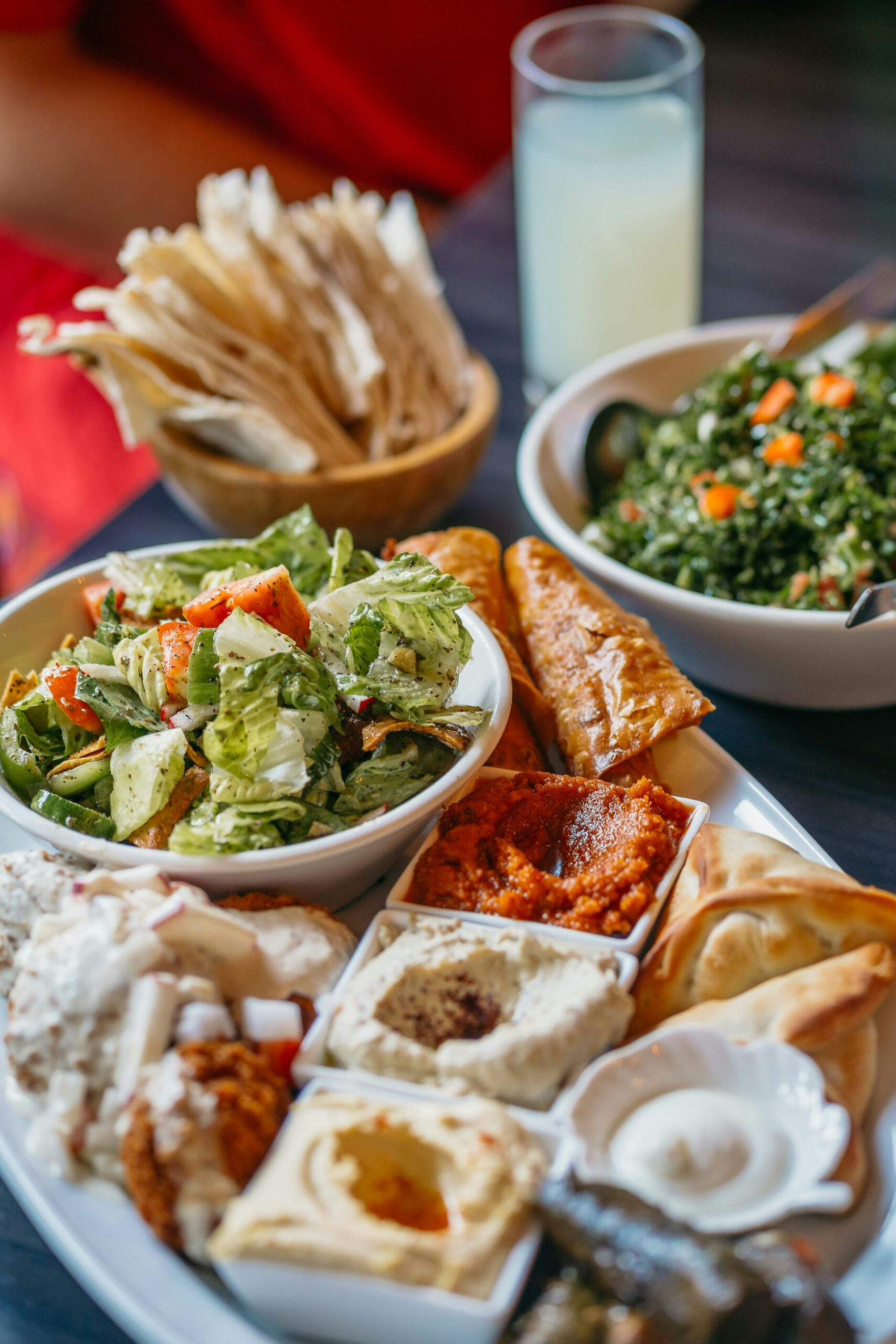
The Mediterranean Diet is not a list of “miracle foods”. It’s a pattern — high in plant foods, generous use of olive oil as the primary fat, regular fish, moderate dairy, low in red meat and refined sugar. The cultural element of shared, leisurely meals is also part of why the pattern works.
2. The Decisive Evidence — The PREDIMED Trial
Trial Design
- 7,447 high-cardiovascular-risk Spanish adults, randomized into three arms:
- Mediterranean diet + free 1 L/week of extra-virgin olive oil (EVOO)
- Mediterranean diet + 30 g/day of mixed nuts
- Low-fat control diet
- Median follow-up: 4.8 years
- Published in NEJM (Estruch et al., 2018, after re-analysis of the 2013 paper)
Results (Major Cardiovascular Events = MI, Stroke, CV Death)
- EVOO group: 31% lower risk (HR 0.69, 95% CI 0.55–0.86)
- Nuts group: 28% lower risk (HR 0.72, 95% CI 0.58–0.90)
- The largest food-intervention RCT result in modern nutritional science
Secondary Analyses
- New-onset type 2 diabetes: 40% lower in the EVOO group
- Atrial fibrillation: 38% lower in the EVOO group
- Cognitive decline: significantly slower in both Mediterranean groups
- Breast cancer (women): 68% lower in the EVOO group (smaller subgroup, exploratory)
3. Other Large Cohorts
Nurses’ Health Study + Health Professionals Follow-up
Combined U.S. cohort of 110,000+ followed for decades. Higher Mediterranean diet adherence (alternative Mediterranean Diet score) was associated with 9% lower all-cause mortality per 2-point score increase, including significant reductions in cardiovascular and cancer mortality.
EPIC Study (European multi-country)
Across 10 European countries with 500,000+ participants, Mediterranean adherence was associated with 14% lower all-cause mortality for those in the highest adherence quintile.
Japanese Cohorts (JPHC)
The Japan Public Health Center-based study found that elements common between traditional Japanese diet and Mediterranean diet (fish, vegetables, soy products) were associated with lower cardiovascular mortality, suggesting the pattern transfers across cultures.
4. Mechanism — Why It Works
- Anti-inflammatory effect: olive oil polyphenols, fish omega-3s, and plant phytochemicals together reduce chronic low-grade inflammation
- Improved insulin sensitivity: high fiber intake and monounsaturated fats stabilize blood glucose
- Endothelial function: nitric oxide pathway improvements supported by polyphenols
- Gut microbiome: high fiber from vegetables, legumes, and whole grains supports beneficial bacteria
- Lower oxidative stress: vitamin E, polyphenols, and carotenoids buffer free-radical damage
5. Practice — Starting the Mediterranean Diet Tomorrow
Daily Foundation
- 1–2 tbsp extra-virgin olive oil per day (replacing other cooking oils)
- 3+ servings of vegetables (especially leafy greens, tomatoes, cruciferous)
- 2 servings of fruit
- 1 serving of legumes (chickpeas, lentils, beans)
- Whole grain bread, oats, or whole-grain pasta instead of refined
- A small handful of nuts (almonds, walnuts)
Weekly Pattern
- Oily fish 2–3 times (mackerel, sardines, salmon)
- Poultry 2 times
- Eggs 2–4
- Yogurt or cheese (small portions, daily)
- Red meat: 1 time or less
- Sweets/desserts: occasional
6. A Japanese Adaptation: “Wa-Mediterranean”
Add (from the Mediterranean)
- Extra-virgin olive oil (replace some sesame and salad oils)
- Nuts as a snack
- Whole grain breads alongside rice
- Legumes (chickpeas, lentils — easily added to Japanese soups and salads)
Leverage the Japanese Diet
- Fish (already a strength of Japanese cuisine)
- Soy products (tofu, natto, miso)
- Seaweed and mushrooms
- Green tea
- Pickled vegetables (in moderation due to salt)
Reduce
- White rice as the bulk of every meal — alternate with mixed grains, brown rice, or barley
- Salt (Japanese diets average 9–11 g/day; aim for <7 g)
- Processed meats and instant foods
- Sugary drinks and confections
7. Quantified Effects — By Disease
Cardiovascular Disease
- Major events 30% lower (PREDIMED)
- Stroke 33% lower in highest-adherence groups (meta-analysis)
- Cardiovascular mortality 10% lower per 2-point score increase
Cognition & Dementia
- Alzheimer’s disease risk ~28% lower (highest-adherence quintile)
- Mild cognitive impairment progression to AD: 48% lower
- Slower brain volume loss on MRI imaging
Type 2 Diabetes
- New-onset T2D 40% lower (PREDIMED EVOO group)
- HbA1c improvement of 0.30–0.47% in T2D patients (meta-analysis)
Cancer
- Overall cancer mortality 13% lower in highest-adherence groups (meta-analysis)
- Colorectal cancer 17% lower
- Breast cancer trend toward reduction (PREDIMED secondary)
Mental Health
- Depression risk 33% lower in highest-adherence groups (meta-analysis of 41 studies)
- SMILES trial (RCT): Mediterranean diet improved depression symptoms more than a social-support control
Longevity
- All-cause mortality 14% lower (EPIC, highest-adherence quintile)
- Effect comparable in magnitude to regular physical activity
8. Common Misconceptions
- “Olive oil alone is enough” — No. The pattern works as a whole; isolated olive oil shows weaker effects.
- “Just add more vegetables to your usual diet” — Without reducing red meat, sugar, and refined carbs, the benefit is much smaller.
- “It’s expensive” — Legumes, sardines, and seasonal vegetables are inexpensive. A bottle of mid-grade EVOO costs about ¥1,500–3,000 and lasts a month.
- “Wine is required” — No. The wine component is increasingly viewed as optional or even removable given updated alcohol research.
9. Cautions
- Calorie balance still matters. The Mediterranean diet is not automatically a weight-loss diet.
- Olive oil quality varies enormously — buy genuine extra-virgin (see our olive oil deep-dive).
- People on warfarin should keep vitamin K-rich vegetable intake consistent (consult your physician).
- Allergies to nuts, fish, or legumes obviously require adaptation.
📚 Key References
- Estruch R et al. Primary Prevention of Cardiovascular Disease with a Mediterranean Diet Supplemented with Extra-Virgin Olive Oil or Nuts. N Engl J Med. 2018;378:e34.
- Dinu M et al. Mediterranean diet and multiple health outcomes: an umbrella review of meta-analyses. Eur J Clin Nutr. 2018;72:30-43.
- Trichopoulou A et al. Mediterranean diet and 20-year mortality: EPIC-Greece. BMJ. 2009;338:b2337.
- Sofi F et al. Adherence to Mediterranean diet and health status: meta-analysis. BMJ. 2008;337:a1344.
🔗 Related Articles
- Are Avocados Really Good for You? — Evidence Review
- Is Olive Oil (Especially Extra Virgin) Really Good for You? — Evidence Review
- Foods Deep Dive — A Tier A–D View of the Whole Food Landscape
⚠️ Disclaimer
This article is for general health information and not a substitute for medical care. If you are managing a chronic condition or taking medication, please consult your physician before significant dietary changes.
evidage Editorial Team / Hydrowing Lab Inc. / April 23, 2026