A morning bowl of matcha has become a global ritual. But how much of the buzz holds up under peer-reviewed scrutiny — what’s the real difference between matcha and brewed sencha, and where do the claims about focus and longevity actually land? We pulled the RCTs, meta-analyses, and large cohort studies and translated them into something you can actually use.
Conclusion: Matcha is a beverage backed by evidence that provides higher doses of EGCG and L-theanine than sencha.
[Level 2 (Strong)] [Diet & Nutrition] [Recommended]
Matcha contains the same catechins (particularly EGCG), L-theanine, and caffeine as green tea; however, because the whole tea leaves are consumed, the concentration of these key components per unit weight or per cup is two to three times higher than that of sencha.While multiple RCTs and cohort studies have shown an association with improved cognitive function, attention, and reduced cardiovascular risk, caution is warranted regarding the tendency for heavy metals (lead and cadmium) to become concentrated in matcha due to the consumption of whole tea leaves, as well as the fact that its caffeine content is equivalent to that of a single cup of coffee.
📊 Effect Sizes and Key Studies
Cognitive Function and Attention (RCT)
- Sokary et al., Nutrients 2023: A double-blind RCT involving 30 healthy adults. Compared to the control group, the matcha intake group showed significant improvements in attention function (CFF test) and mood scores. This is presumed to be due to the synergistic effects of L-theanine and caffeine.
- Yamamoto et al., Nutrients 2022: A study involving 30 older women reported improvements in attention and episodic memory scores following 12 weeks of matcha consumption.
- Mancini et al., Phytomedicine 2017: A review article concluded that "a combination of 50–200 mg of L-theanine and 40–100 mg of caffeine consistently improves alertness and attention." One cup of matcha falls within this range.
Dementia and Mortality (Cohort)
- Tomata et al., Am J Clin Nutr 2016 (Osaki study): 13,988 participants, 5.7-year follow-up. Consuming five or more cups of green tea (including matcha) per day was associated with a 27% lower risk of dementia requiring long-term care (HR 0.73).
- Inoue-Choi et al., JPHC Study 2022: 90,914 participants, approximately 20 years of follow-up. Consuming five or more cups of green tea per day was associated with a hazard ratio (HR) of 0.83 for all-cause mortality. The effect was particularly pronounced for deaths due to cardiovascular, respiratory, and digestive diseases.
- Kuriyama et al., JAMA 2006 (Osaki National Health Insurance Cohort): 40,530 participants, 11-year follow-up. Consuming five or more cups of green tea per day was associated with a 26% reduction in cardiovascular disease mortality (HR 0.74, women).
Metabolism and Lipids (Meta-analysis)
- Hursel et al., Obes Rev 2009: A meta-analysis of catechin and caffeine formulations showed a weight loss of −1.31 kg and a reduction in waist circumference of −1.19 cm. Although not clinically dramatic, the results were statistically significant.
- Onakpoya et al., Nutr Metab Cardiovasc Dis 2014: Meta-analysis of 14 RCTs. Green tea catechins reduced LDL-C by 5.2 mg/dL and TC by 7.2 mg/dL.
🧪 Comparison of the Components of Matcha and Sencha
| Ingredients (per cup) | Matcha (2g) | Sencha (2g of tea leaves) |
|---|---|---|
| EGCG | Approx. 134 mg | Approx. 60–80 mg |
| Total catechin content | Approx. 277 mg | Approx. 120–180 mg |
| L-theanine | Approx. 44 mg | Approx. 10–25 mg |
| Caffeine | Approx. 70 mg | Approx. 20–30 mg |
| Dietary fiber | Approx. 0.7 g (from whole leaves) | Nearly zero (due to extraction) |
| Chlorophyll and vitamins | Abundant (whole leaves) | Small amounts (fat-soluble components are difficult to extract) |
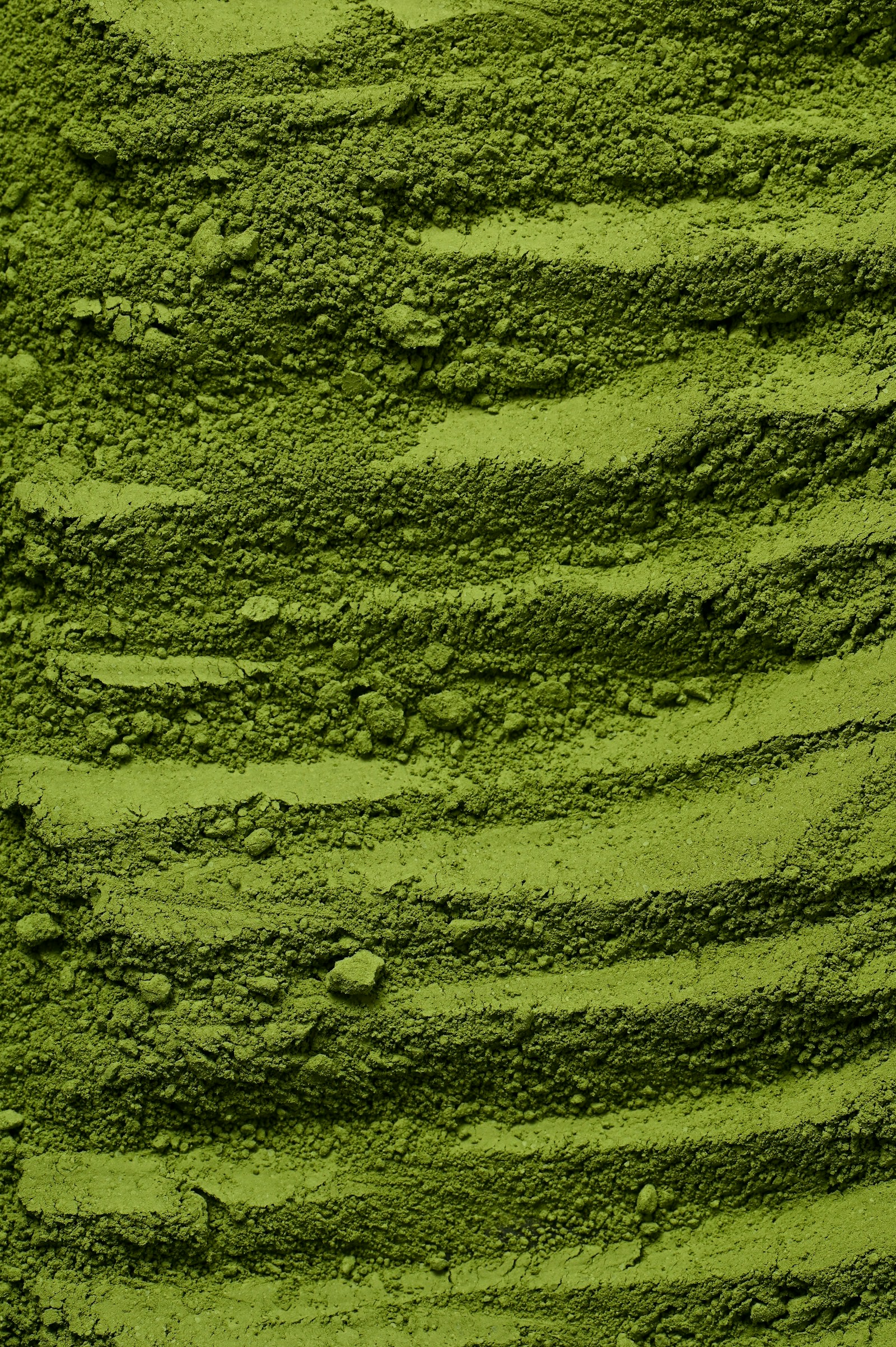
Matcha has a high concentration of theanine because it is made from tencha—which is grown under shade (to block sunlight) to preserve theanine, then steamed, dried, and ground in a stone mill. The key difference from sencha is that, since you consume the tea leaves themselves, you can absorb 100% of the nutrients, including the fat-soluble components.
💡 The Bottom Line
The essence of matcha is that “drinking one cup of matcha is a more efficient way to consume EGCG and L-theanine than drinking 10 cups of sencha.” However, since it also contains a proportionally higher amount of caffeine (equivalent to one cup of coffee), it is not suitable as an evening habit.
🎯 How to Start
Make a cup of matcha in the morning a daily habit:
- The water temperature should be between 70 and 80°C (not immediately after boiling; let it cool slightly first). High temperatures cause EGCG to break down.
- Place 2 g of matcha (2 scoops, about 1 teaspoon) in a tea bowl, pour in 60–70 mL of hot water, and whisk in an M-shape using a tea whisk. If you don’t have a tea whisk, you can shake it in an airtight container or use a hand mixer instead.
- Aim for 1 to 2 cups a day. Drinking 3 or more cups is equivalent to the caffeine content of 3 cups of coffee, which can cause insomnia and heart palpitations.
- It is best to drink it between meals rather than after a meal. If you drink it after a meal, the tannins in the tea can inhibit iron absorption.
⚠️ Cautionss (Common Misconceptions)
1. Heavy metals (lead and cadmium) tend to accumulate
Because the tea leaves are consumed whole, there is a higher risk of lead from the soil becoming concentrated compared to sencha. Consumer Reports (U.S., 2023) found detectable levels of lead in approximately 30% of commercially available matcha. Choosing products with JAS organic certification or those that clearly indicate their place of origin (such as Nishio, Uji, or Yame) increases safety.
2. The caffeine content is comparable to that of coffee
One serving of matcha (2 g) contains approximately the same amount of caffeine as one cup of coffee (150 mL). Pregnant or breastfeeding women, and those who are sensitive to caffeine, should limit their intake to one serving per day.
3. It offers less value for money than sencha
If you want to consume the same amount of EGCG, matcha costs about 5 to 10 times as much as sencha. From 2024 to 2026, raw material prices have skyrocketed to 3 to 5 times their previous levels due to a surge in global demand, making it a practical choice to opt for sencha if you prioritize value for money, and matcha if you’re seeking specific benefits (such as alertness and concentration).
4. The Difference in Quality Between "Cooking Matcha" and "Tea Ceremony Matcha"
Most commercial matcha for confectionery and beverages is a blend of tencha and powdered tea, and contains significantly less L-theanine than matcha used in the tea ceremony. If you want to experience its full benefits, choose a grade labeled "usucha" (thin tea) or higher.
🔄 Matcha vs. Sencha — Which Should You Choose?
- For daily habits and value for money → Sencha
- Morning focus and cognitive performance → Matcha
- Want to relax in the evening but cut back on caffeine? → Hojicha or Genmaicha (low in caffeine)
- If you want to get dietary fiber and fat-soluble vitamins as well → Matcha (whole leaves)
- Concerned about lead and heavy metals? → Sencha (most of the substances remain in the tea leaves during brewing)
📝 Summary
- Matcha is a beverage that provides high concentrations of EGCG, L-theanine, and caffeine.
- Improvements in attention, mood, and cognitive function have been replicated in RCTs (Level 2)
- Reduced mortality and cardiovascular disease risk: Level 2–3 evidence from cohort studies on green tea in general
- Keep an eye on three key factors: heavy metals, caffeine, and cost
- It makes sense to use sencha for daily habits and matcha for specific health benefits.
📚 References
- Sokary S, et al. Nutrients. 2023;15(15):3360. doi:10.3390/nu15153360
- Yamamoto T, et al. Nutrients. 2022;14(13):2670. doi:10.3390/nu14132670
- Mancini E, et al. Phytomedicine. 2017;34:26-37. doi:10.1016/j.phymed.2017.07.008
- Tomata Y, et al. Am J Clin Nutr. 2016;103(6):1420-1428. doi:10.3945/ajcn.116.130849
- Inoue-Choi M, et al. JPHC Study. Eur J Epidemiol. 2022.
- Kuriyama S, et al. JAMA. 2006;296(10):1255-1265. doi:10.1001/jama.296.10.1255
- Hursel R, et al. Obesity Reviews. 2009;10(2):126-135.
- Onakpoya I, et al. Nutr Metab Cardiovasc Dis. 2014;24(8):823-836.
- Consumer Reports (2023). Heavy metals in popular matcha brands.
⚠️ Disclaimer
- This page is based on peer-reviewed scientific articles, but it is not a substitute for medical care.
- Please consult a doctor or registered dietitian regarding individual health matters.
- If you are sensitive to caffeine or are pregnant or breastfeeding, please be mindful of your intake.