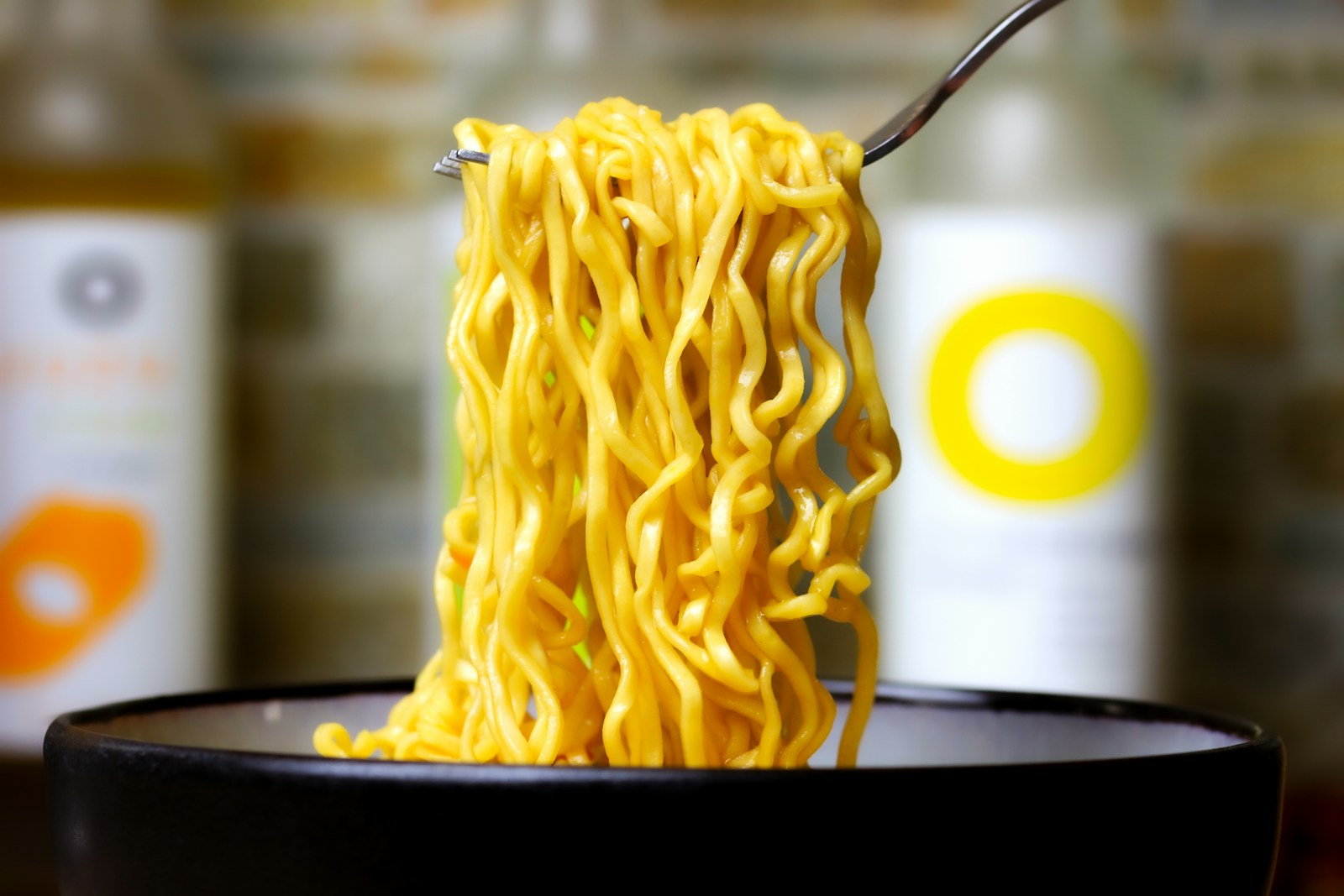
Instant noodles are cheap, fast, and convenient. They also carry a sodium and additive load that adds up. How many times per week is too many — and what small habits can blunt the downside?
Conclusion: Eating instant noodles two or more times a week increases the risk of metabolic syndrome in women by 68% (Korean Heart Study)
[Level 2 (Strong)] [Diet & Nutrition] [Strongly recommend limiting intake]
Instant noodles (cup noodles and bagged noodles) are a prime example of ultra-processed foods; a Korean Heart Study (involving 10,711 participants) found that women who consumed them at least twice a week had a 68% higher risk of metabolic syndrome. The core issues are saturated fat (from fried noodles), excessive sodium (5–7 g per serving, exceeding the WHO upper limit), and trans fats.
📊 Effect Sizes and Key Studies
- Shin et al., J Nutr 2014 (Korean Heart Study): 10,711 participants, ages 26–79. Women who consumed instant noodles at least twice a week had a 68% increased risk of metabolic syndrome (OR 1.68). No significant difference was observed in men (due to different dietary patterns).
- Huh et al., Korean J Fam Med 2017: 30,891 participants in Korea. A positive correlation was found between the frequency of instant noodle consumption and hypertension and abdominal obesity.
- Du et al., Asia Pac J Clin Nutr 2020: Meta-analysis of 8 cohorts. Dose-dependent relationship between UPF (including instant noodles) intake and cardiovascular disease risk.
- WHO Salt Intake Recommendation: Less than 5 g per day. One serving of cup noodles contains 4–7 g (meeting the WHO upper limit per serving).
💡 The Bottom Line
1. Excessive salt intake: 5–7 g per meal, accounting for 80–140% of the daily limit. 2. Fried noodles: Concerns regarding saturated fats, trans fats, and oil that has been reheated multiple times. 3. Refined carbohydrates: High glycemic index (GI) and low satiety. 4. Food additives: MSG, phosphates, antioxidants, etc. 5. Nutrient deficiencies: Virtually no vitamins, minerals, or dietary fiber.
🎯 How to Start
Aim for once a week or less:
- Tips for when you do eat it: ① Don’t drink all the soup (reduces sodium by 2–3 g), ② Add eggs, vegetables, and mushrooms (for added nutrition), ③ Choose non-fried noodles.
- Alternatives: Soba (dried noodles) + egg + green onions + wakame, pho (rice noodles), homemade noodles.
- Cup yakisoba contains more salt and oil than ramen, making it one of the worst choices.
- "Healthy Ramen" Label: Even if it’s low-sodium or non-fried, the fact that it’s an ultra-processed food doesn’t change. Limit to 1–2 times a week.
⚠️ Cautions
1. While convenient for emergency stockpiles, they should not be consumed as part of a regular diet.
2. Habit formation among children and young people: risks of nutritional deficiencies during growth and the development of taste preferences.
3. Over 80% of the salt in instant noodles comes from the soup: simply avoiding the soup can significantly reduce salt intake. 4. The notion that “non-fried noodles = healthy” is a misconception: while they have fewer of the issues associated with fried noodles, they contain the same levels of salt and additives.
📝 Summary
- Instant Noodles Linked to Increased Risk of Metabolic Syndrome in the Korean Heart Study (Level 2)
- One serving exceeds WHO salt intake limit
- Aim for no more than once a week
- If you do eat them, leave the soup and add vegetables and an egg to improve the nutritional value
📚 References
- Shin HJ, et al. J Nutr. 2014;144(8):1247-1255.
- Huh IS, et al. Korean J Fam Med. 2017;38(4):220-227.
- Du S, et al. Asia Pac J Clin Nutr. 2020.
⚠️ Disclaimer
- This page is based on peer-reviewed scientific research, but it is not a substitute for medical care.
- Please consult a doctor or registered dietitian regarding individual health decisions.