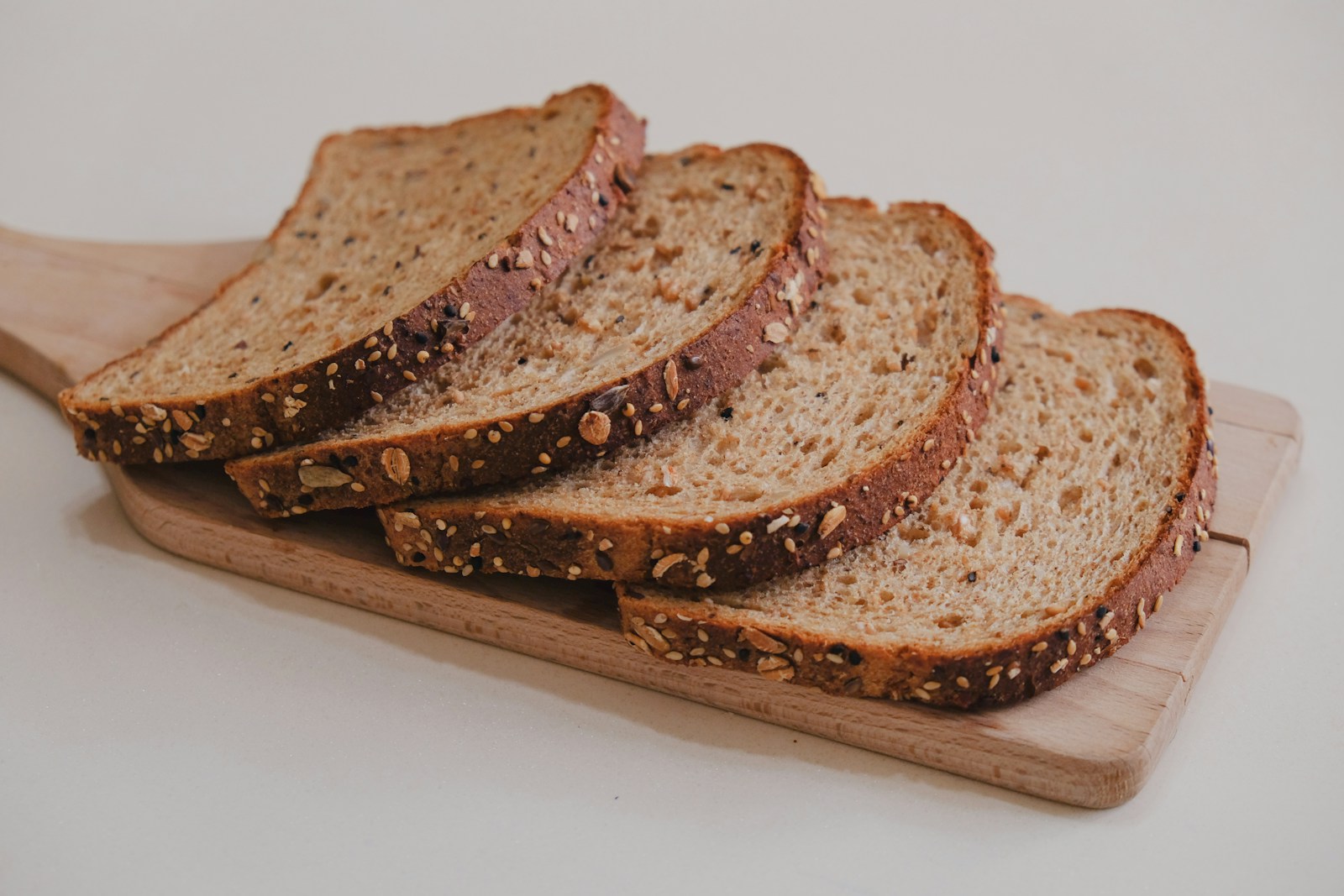
Should you really swap white rice and white bread for brown rice, whole-grain bread, and oats? The meta-analyses say the effect on glycemia, cholesterol, and mortality is bigger than most people realize — but “whole grain” on a label doesn’t always mean what you think.
Conclusion: Whole grains are the most important food for significantly reducing the risk of all-cause mortality, cardiovascular disease, and diabetes when consumed in three servings per day.
[Level 1 (Strongest)] [Diet & Nutrition] [Strongly recommended]
Whole grains (such as brown rice, whole wheat, oatmeal, barley, and quinoa) are the type of carbohydrate with the strongest evidence for reducing the risk of all-cause mortality, cardiovascular disease, and type 2 diabetes, as demonstrated in several large-scale cohort studies, particularly the Harvard Nurses’ Health Study and the Harvard Physicians’ Health Study. Consuming three servings (about 90 grams) per day is associated with a 20% reduction in all-cause mortality.
📊 Effect Sizes and Key Studies
- Aune et al., BMJ 2016: Meta-analysis of 45 cohort studies involving approximately 790,000 participants. A daily intake of 90 g was associated with a 17% reduction in all-cause mortality, a 22% reduction in cardiovascular disease mortality, and a 15% reduction in cancer mortality.
- Wu et al., JAMA Intern Med 2015: Nurses’ Health Study and Physicians’ Health Study, totaling 118,000 participants. High whole-grain intake was associated with a 9% reduction in all-cause mortality and a 15% reduction in cardiovascular disease mortality.
- de Munter et al., PLoS Med 2007: 3 cohort studies, totaling 286,000 participants. Two servings of whole grains per day were associated with a 21% reduction in the risk of type 2 diabetes.
- Reynolds et al., Lancet 2019: Meta-analysis of 243 studies. 25–29 g of dietary fiber per day was associated with a 15–30% reduction in all-cause mortality.
💡 The Bottom Line
Dietary fiber, beta-glucan (oatmeal), plant sterols, B vitamins, magnesium, and antioxidants work together synergistically. Dietary fiber improves the gut microbiota and promotes the production of short-chain fatty acids, which helps suppress systemic inflammation. It also has a low glycemic index, making it beneficial for blood sugar control.
🎯 How to Start
Start by swapping "white rice for brown rice" and "white bread for whole-grain bread":
- At least 3 servings per day (e.g., 3 bowls of brown rice, or 1 bowl of brown rice + 2 slices of whole-grain bread + 30g of oatmeal)
- Oatmeal is rich in beta-glucan and helps lower LDL cholesterol. Recommended for breakfast.
- If switching completely from white rice to brown rice is difficult, start with "mixed brown rice," where you cook white rice and brown rice in equal parts.
- "Contains whole wheat" and "100% whole wheat" are not the same. Check the ingredient list to see if "whole wheat" is listed first.
⚠️ Cautions
1. For those with gluten intolerance or celiac disease: Avoid wheat, barley, and rye. Brown rice, quinoa, buckwheat, and certified gluten-free oatmeal are acceptable.
2. Phytic acid in brown rice: While it inhibits mineral absorption, this can be mitigated by soaking the rice thoroughly or by eating sprouted brown rice.
3. “Gluten-free” does not necessarily mean healthy: Many products are processed foods centered around refined starches.
📝 Summary
- Whole grains are the carbohydrate with the strongest evidence for reducing the risk of all-cause mortality, cardiovascular disease, and diabetes (Level 1)
- Aim for 3 servings (90g) per day
- Replacing white rice and white bread is the most important step
- Oatmeal is particularly recommended for its beta-glucan content
📚 References
- Aune D, et al. BMJ. 2016;353:i2716.
- Wu H, et al. JAMA Internal Medicine. 2015;175(3):373-384.
- de Munter JS, et al. PLoS Med. 2007;4(8):e261.
- Reynolds A, et al. Lancet. 2019;393(10170):434-445.
⚠️ Disclaimer
- This page is based on peer-reviewed scientific research, but it is not a substitute for medical care
- Please consult a doctor or registered dietitian regarding individual health decisions.