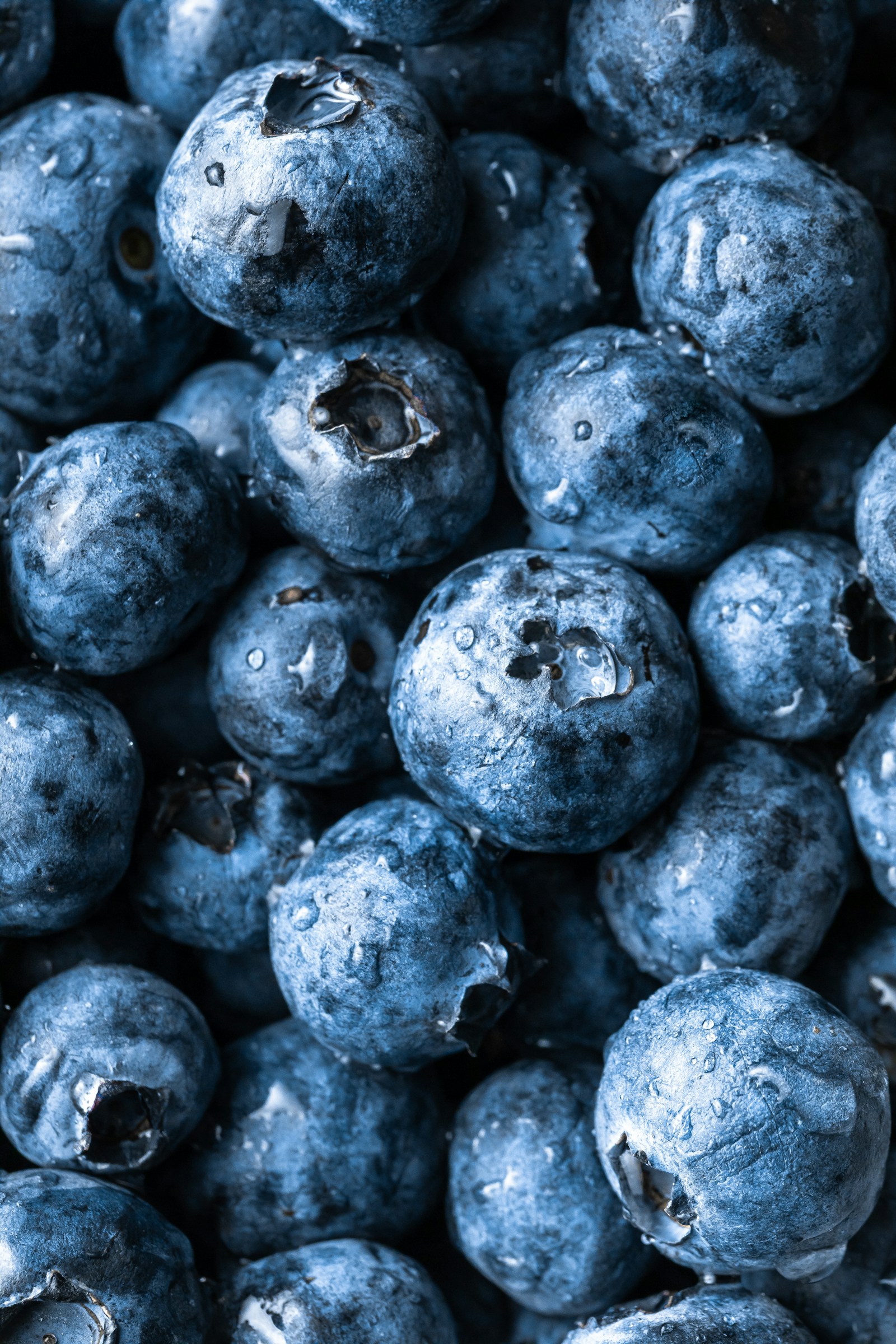
Berries get marketed as the poster child of “anti-aging.” We dig into how much of that holds up: what anthocyanins do for cognition and cardiovascular markers in actual human trials, and what a realistic serving size looks like.
Conclusion: Blueberries and strawberries have strong cohort evidence showing that they delay cognitive decline.
[Level 2 (Strong)] [Diet & Nutrition] [Recommended]
Berries are rich in anthocyanins, and large-scale studies such as the Nurses’ Health Study and PREDIMED have shown that they can delay cognitive decline by 1 to 2.5 years. There is also Level 2 evidence supporting their role in reducing the risk of cardiovascular disease and type 2 diabetes.
📊 Effect Sizes and Key Studies
- Devore et al., Ann Neurol 2012: Nurses’ Health Study (16,010 participants; approximately 20-year follow-up). Cognitive decline was delayed by 2.5 years in the group with high blueberry and strawberry intake.
- Cassidy et al., Circulation 2013: Nurses’ Health Study II, 93,600 participants. A 32% reduction in the risk of myocardial infarction among young women in the high anthocyanin intake group.
- Mursu et al., Br J Nutr 2014: Finnish male cohort. Berry intake reduced the risk of type 2 diabetes by 35%.
- Krikorian et al., J Agric Food Chem 2010: RCT of 9 elderly participants. 12 weeks of blueberry intake significantly improved language learning and associative learning.
💡 The Bottom Line
Anthocyanins (pigments found in berries) improve blood flow in the brain and help reduce oxidative stress and neuroinflammation. They have also been reported to promote the expression of BDNF (brain-derived neurotrophic factor).
🎯 How to Start
Aim for 1/2 cup (about 75g) at least 3 times a week:
- Frozen berries are fine. They have the same nutritional value as fresh berries and offer better value and longer shelf life.
- Adding them to your morning yogurt or oatmeal is the easiest way to stick with it.
- Combining blueberries, strawberries, raspberries, and blackberries increases the variety of anthocyanins.
- Eat them whole rather than as jam or juice (for dietary fiber and lower sugar content).
⚠️ Cautions
1. Jam and berry juice are different: Adding sugar significantly reduces their health benefits.
2. Pesticide residues: Strawberries are a regular on the EWG’s “Dirty Dozen” list. Choose organic varieties or wash them thoroughly.
3. If you’re taking warfarin: Although berries contain only small amounts of vitamin K, you should still be cautious about potential interactions with anticoagulants.
📝 Summary
- There is strong cohort evidence (Level 2) that berries help delay cognitive decline.
- Aim for at least 75g three times a week
- Frozen berries are perfectly fine
- Mixing them into yogurt or oatmeal makes it easier to stick with
📚 References
- Devore EE, et al. Ann Neurol. 2012;72(1):135-143.
- Cassidy A, et al. Circulation. 2013;127(2):188-196.
- Mursu J, et al. Br J Nutr. 2014;112(2):305-313.
- Krikorian R, et al. J Agric Food Chem. 2010;58(7):3996-4000.
⚠️ Disclaimer
- This page is based on peer-reviewed scientific research, but it is not a substitute for medical care
- Please consult a physician or registered dietitian regarding individual health decisions.