[Category] Lifestyle — Complete List of Lifestyle Improvements
About this category
Smoking, excessive drinking, being overweight, sitting too much, and an irregular lifestyle—the cumulative effect of these daily choices has a significant impact on your health in later life.
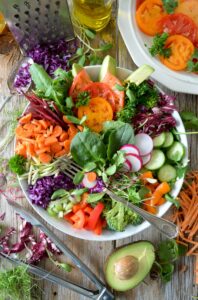
Cohort studies such as the US Nurses’ Health Study and the UK Biobank have shown that people who adhere to all five healthy lifestyle habits—not smoking, maintaining a healthy weight, engaging in moderate physical activity, eating a healthy diet, and drinking alcohol in moderation—live 14 years longer than those who do not adhere to any of them (Li et al., Circulation 2018).
This category covers all those "everyday choices."
🚭 Smoking and drinking (3 items)
1. Quitting Smoking (Non-smoking / Maintaining Success in Quitting) — Level 1: Strongly Recommended
One-line summary: The single most important habit for a healthy life. It’s never too late to start, no matter your age.
Effect size:
– Smokers vs. non-smokers: All-cause mortality HR 2.5–3.0
– Deaths from lung cancer: 15 to 30 times higher
– Myocardial infarction: approximately twice as high
– Quitting smoking at age 30: Life expectancy loss reduced from 10 years to 1 year (Doll et al., BMJ 2004, 50-year follow-up)
– Quitting smoking at age 50: an average gain of 6 years in life expectancy
– Quitting smoking at age 60: Gains 3 years of life expectancy
Effectiveness of the Smoking Cessation Act (12-month smoking cessation success rate):
| Method | Success Rate |
|—–|——|
| Self-reliance only | 3–5% |
| Nicotine patch | 10–15% |
| Varenicline (Champix) | 20–25% |
| Smoking Cessation Clinic (Medication + Counseling) | 30–40% |
Recommended:
– Smoking cessation clinics are covered by insurance (Japan)
– While e-cigarettes are “less harmful,” their effectiveness as a substitute for quitting smoking entirely is limited
– Secondhand smoke also poses a serious risk to family members living in the same household
👉 (Individual article coming soon)
2. Controlling alcohol intake (drinking in moderation) — Level 1: Strongly recommended
One-line summary: The theory that "moderate drinking is good for your health," prevalent before 2018, has been debunked. The less you drink, the better.
Effect size:
– The Lancet 2018 (GBD Study, 195 countries): Zero alcohol consumption results in the lowest health risks
– Men: 20 g/day or more; women: 15 g/day or more: increased hazard ratio (HR) for all-cause mortality
– Breast cancer risk in women increases even with small amounts (7% increase per 10 g/day)
– Increased risk of colorectal cancer, liver disease, high blood pressure, and atrial fibrillation
Recommended:
– It’s best not to drink (though that’s unrealistic for many people)
– Strictly limit alcohol intake to less than 20 g of pure alcohol per day (equivalent to 1 go of sake, 500 mL of beer, or 200 mL of wine)
– At least two alcohol-free days a week
– Binge drinking and consuming large amounts of alcohol in a short period of time can be extremely harmful
– Abstain completely from alcohol during pregnancy and while breastfeeding
Supporting papers:
– GBD 2016 Alcohol Collaborators (2018). Alcohol use and burden for 195 countries and territories. Lancet, 392:1015-1035.
👉 (Individual article coming soon)
3. Consideration for secondhand smoke and air quality — Level 2: Recommended
Effect size:
– Exposure to secondhand smoke: 25–30% increased risk of ischemic heart disease
– Lung cancer: +20–30%
– Increase in cases of childhood asthma and otitis media
Recommended:
– No smoking at home or in the car
– On days when PM2.5 levels are high, wear a mask and keep the windows closed
– Use of an air purifier (HEPA)
– Smoke from campfires and wood-burning stoves is also harmful to the lungs
👉 (Individual article coming soon)
⚖️ Weight and Body Composition (2 items)
4. Maintaining a healthy BMI and managing visceral fat — Level 1: Strongly recommended
One-line summary: BMI and mortality follow a U-shaped curve. Both being underweight and obese pose risks.
Effect size:
– The lowest mortality rate is observed in the 22.5–25 BMI range (in Europe and the United States)
– A BMI of 23 to 25 is optimal for Japanese people (based on multiple cohorts, including the Beiju Study)
– BMI ≥ 30: All-cause mortality HR 1.3–1.5
– Older adults with a BMI below 18.5: Increased risk of frailty and all-cause mortality
– Waist circumference is a more accurate predictor than BMI: Men with a waist circumference of 85 cm or more and women with a waist circumference of 90 cm or more have an increased metabolic risk
Recommended:
– Measure your waist circumference every month
– Weekly weight tracking
– Gradual, ongoing adjustments rather than drastic dieting
– Reduce body fat percentage while maintaining muscle mass
👉 (Individual article coming soon)
5. Prevention of Sarcopenia and Frailty — Level 1: Strongly Recommended
One-line summary: Age-related muscle loss is the biggest obstacle to a healthy life. Take action early.
Effect size:
– Sarcopenia: Doubles the risk of hospitalization and death
– Frail older adults: Overall mortality HR 1.8
– Muscle mass decreases by 1% per year after age 30; without intervention, it declines significantly by age 80
Three Pillars of Prevention:
1. Strength training: 2–3 times a week (see Exercise Categories)
2. Protein: 1.0–1.2 g/kg body weight/day (1.2–1.6 g for the elderly)
3. Vitamin D: Serum 25(OH)D level of 30 ng/mL or higher
Screening:
– Grip strength: Men <28 kg, Women <18 kg → Take note
– Walking speed: <1.0 m/s → Caution required
– Ring Test: If your finger fits around your calf, be cautious
👉 (Individual article coming soon)
💧 Hydration and Meal Schedule (3 items)
6. Adequate hydration — Level 3: Recommended
Effect size:
– Dehydration: Impaired cognitive function, impaired kidney function, constipation
– Association between adequate fluid intake and reduced all-cause mortality in observational studies
– There is little evidence to support the notion that “more is better”
Recommended:
– In addition to meals: 1.2–1.5 L/day
– Older adults don’t feel thirsty, so they need to make a conscious effort to
– Drink an additional 500–1,000 mL when exercising
– Caffeinated beverages have a diuretic effect; their water content is 70% of the total volume
Clearing up the misunderstanding:
– The claim that “you must drink 2 liters a day” lacks solid evidence. It depends on your body type, activity level, and temperature.
– While there are minimal scientific benefits to “drinking a glass of water upon waking up,” there are also no risks
👉 (Individual article coming soon)
7. Regular meal times (Time-Restricted Eating, TRE) — Level 3: Recommended
Effect size:
– 16:8 time-restricted eating: mild weight loss, improved insulin sensitivity (small-scale RCT)
– When comparing skipping breakfast versus eating dinner late, eating dinner earlier is more effective
– There is insufficient long-term (5+ years) evidence
Recommended:
– Eat dinner at least three hours before bedtime
– Eat a hearty breakfast and keep dinner light
– In fact, there are reports that skipping breakfast may increase cardiovascular risk
– Keep your meals within a 12- to 14-hour window
👉 (Individual article coming soon)
8. Eat slowly and chew thoroughly — Level 3 · Recommended
Effect size:
– People who eat quickly: 4.4 times the risk of obesity (Otsuka et al., J Epidemiol 2006)
– You’ll start to feel full about 20 minutes after you begin eating
– Chew thoroughly → Reduces the burden on the digestive system and aids in the digestion of dietary fiber
Recommended:
– 30 chews per bite
– Meal time: 20 minutes or more
– Don’t eat while watching TV or using your smartphone (mindless eating)
👉 (Individual article coming soon)
🧼 Oral hygiene (1 item)
9. Periodontal Disease Prevention and Oral Care — Level 2: Strongly Recommended
One-line summary: Periodontal disease is a gateway to systemic diseases. It has a bidirectional relationship with cardiovascular disease, dementia, and diabetes, exacerbating each other.
Effect size:
– Periodontal disease: 1.15 times the risk of coronary artery disease
– Fewer than 20 teeth: 1.6 times the risk of dementia (Tsakos et al., 2020)
– Diabetes: Periodontal disease increases HbA1c by 0.4%
Recommended:
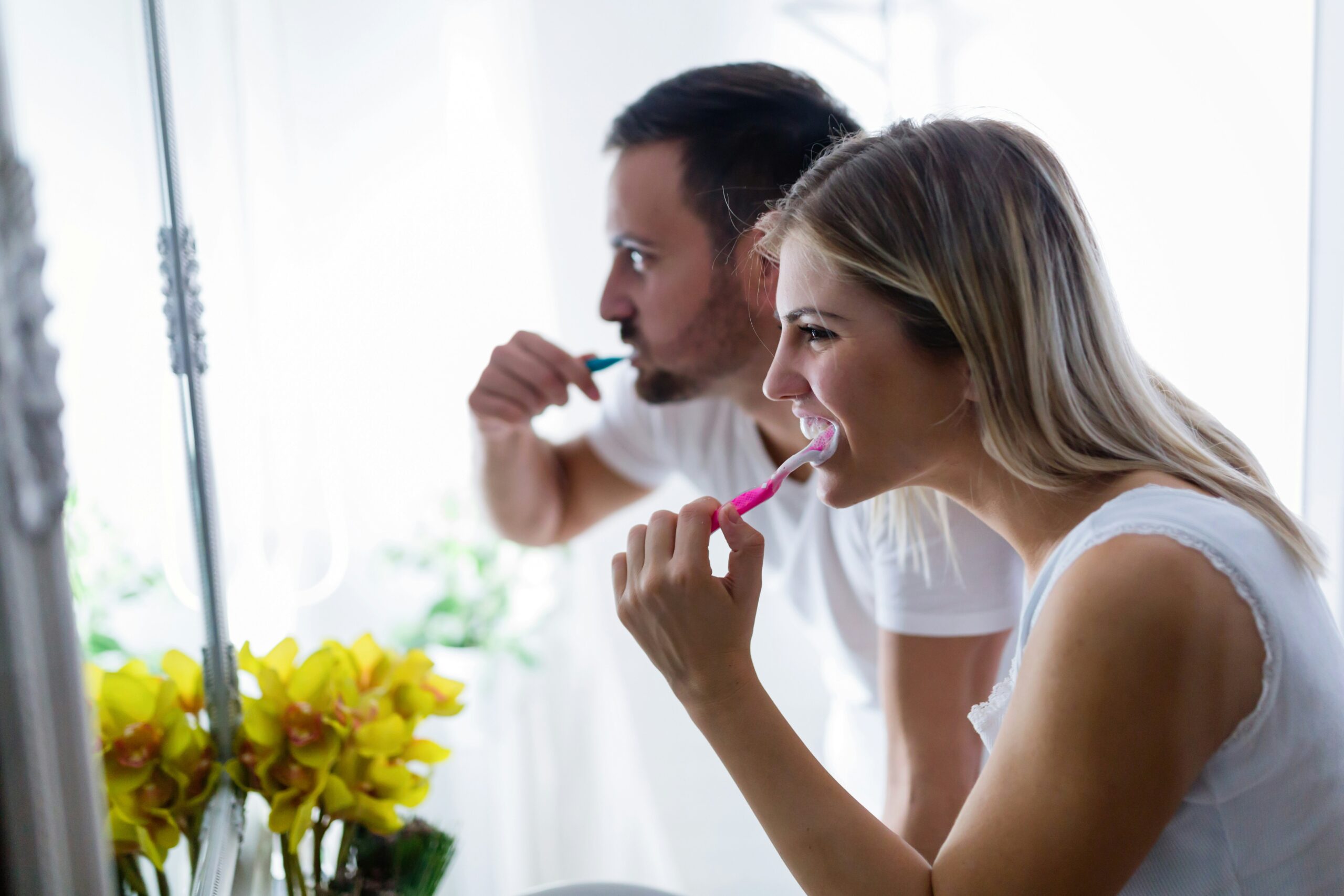
– Brush your teeth after every meal (2 minutes, 3 times a day)
– Dental floss: once a day (to remove plaque between teeth)
– Professional dental care every 3 to 6 months
– Electric toothbrushes are more effective than manual brushing
👉 (Individual article coming soon)
👀 Eye and Ear Protection (2 items)
10. Maintaining hearing health (prevention of hearing loss) — Level 1: Strongly recommended
Effect size:
– Hearing loss is the leading modifiable risk factor for dementia (Livingston et al., Lancet 2020)
– Group with untreated hearing loss: 1.9 times higher risk of dementia
– Hearing aids may help prevent cognitive decline
Recommended:
– Avoid loud environments (levels of 85 dB or higher are harmful)
– Follow the 60/60 rule when using earphones: 60% volume for no more than 60 minutes
– Annual hearing tests starting at age 50
– If you notice your hearing is declining, consider getting a hearing aid as soon as possible (“It’s too early” is the biggest mistake)
👉 (Individual article coming soon)
11. Eye Health and Eye Strain Relief — Level 2 · Recommended
Effect size:
– Uncorrected visual impairment: Increased risk of dementia and falls
– Prolonged exposure to blue light: eye strain, mild retinal effects
Recommended:
– The 20-20-20 Rule: Every 20 minutes, look at something 20 feet away for 20 seconds
– Regular eye exams (once a year for those aged 40 and older)
– Cataracts: Early surgery (significant improvement in quality of life)
– Glaucoma Screening
👉 (Individual article coming soon)
☀️ Environment & Conservation (3 items)
12. UV protection (sunscreen and sunglasses) — Level 1: Strongly recommended
Effect size:
– Skin cancer: Excessive UV exposure increases the risk severalfold
– Photoaging: Wrinkles and hyperpigmentation
– Risk of cataracts and macular degeneration
Recommended:
– SPF 30 or higher and PA+++ for daily use
– Reapply every 2 to 3 hours
– Wear a hat and sunglasses when outdoors
– Balance with Vitamin D: 15 minutes of early morning sunlight is sufficient
👉 (Individual article coming soon)
13. Indoor Air Quality (PM2.5 and Formaldehyde) — Level 2: Recommended
Effect size:
– Long-term exposure to PM2.5: All-cause mortality HR 1.08 per 10 μg/m³
– Indoor air pollution → Respiratory and cardiovascular diseases
– Indoor formaldehyde is released from furniture and building materials
Recommended:
– HEPA Filter Air Purifier
– Use the range hood while cooking
– Low-VOC building materials for new construction and renovations
– From a scientific perspective, the benefits of houseplants are limited
👉 (Individual article coming soon)
14. Digital Well-being (Screen Time Management) — Level 3 · Recommended
Effect size:
– Excessive smartphone use: Poor sleep quality, anxiety and depression
– Negative correlation between time spent on social media and subjective well-being
– However, a causal relationship has not been established
Recommended:
– Avoid screens for one hour before bedtime
– Use social media with a purpose (to avoid aimless scrolling)
– Turn off notifications and set aside time to focus
– Digital Detox Day (once a week)
👉 (Individual article coming soon)
📊 Overall Priority of Lifestyle Habits
Highest priority (greatest effect size)
- Quitting smoking (the single biggest habit for smokers)
- Alcohol intake management (less than 20 g per day)
- Maintaining a healthy weight (BMI 22.5–25)
Everyday Essentials
Increased importance after age 50
Long-term defense
🎯 The Significance of the "Five Healthy Habits" Study
Li et al., Circulation 2018, define the following five factors as “low-risk lifestyle factors”:
- Non-smoker
- BMI 18.5–24.9
- At least 150 minutes of moderate-to-vigorous physical activity per week
- A Healthy Diet (Mediterranean-Style)
- Moderate alcohol consumption (5–15 g/day for women, 5–30 g/day for men)
All 5 achieved vs. None achieved:
– An increase of 12 years in healthy life expectancy for men and 14 years for women
– This is the difference in life expectancy at age 50
In other words, by implementing the items in this category, you can significantly improve the quality of life.
🔗 Related Pages
⚠️ Disclaimer
The information in this category is intended as a general guide for maintaining good health. If you have any pre-existing medical conditions or are taking prescription medications, please consult your doctor before incorporating these recommendations into your routine.
evidage Editorial Department / Hydro Wing Lab Co., Ltd. / April 23, 2026