The GLP-1 drug boom — Ozempic, Mounjaro, Wegovy — that began in US celebrity and Silicon Valley circles shows no signs of slowing in 2026. A weekly injection that delivers 15–20% weight loss in six months sounds like a miracle. But is it? A careful read of the peer-reviewed literature shows that, beyond weight loss, GLP-1 receptor agonists are now producing Level 1 evidence in cardiovascular, kidney, and even addiction outcomes — while rebound after stopping, muscle loss, monthly cost in the thousands, and unknown long-term risks remain real limits. We audit the 2024–2026 evidence at Levels 1–4.
Conclusion: Weight loss, cardiovascular, and kidney effects are Level 1 — but commitment to long-term use is the precondition
[Level 1 (weight loss, CV) / Level 2 (multi-organ) ] [Prescription drug] [Conditionally recommended under medical supervision]
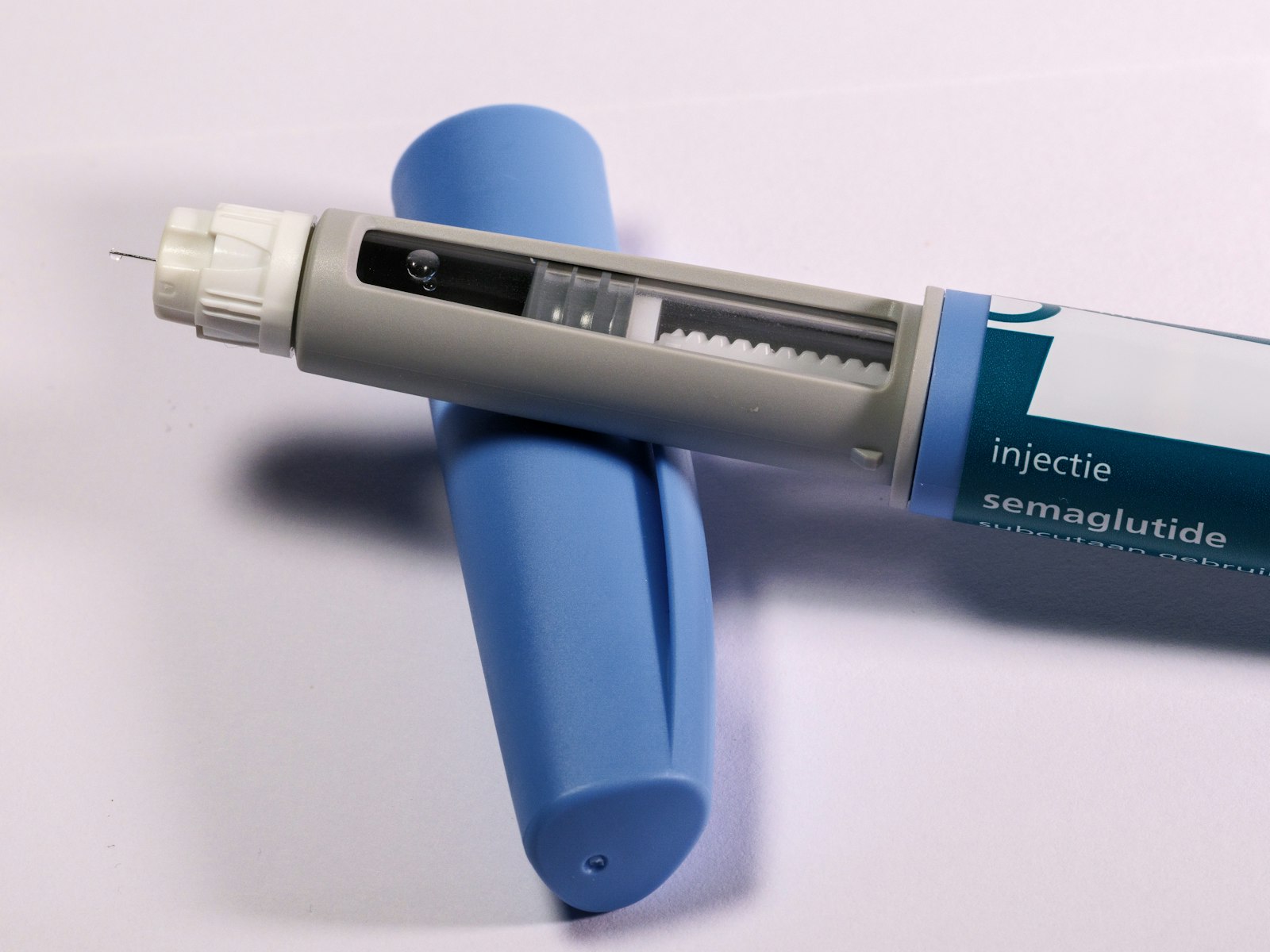
Semaglutide (Ozempic / Wegovy) and tirzepatide (Mounjaro / Zepbound) are the most effective drugs against obesity and type 2 diabetes seen in decades. STEP-1 delivered 14.9% weight loss, SURMOUNT-1 delivered 22.5% (Level 1); SELECT showed a 20% reduction in cardiovascular events (Level 1); FLOW showed slower progression of chronic kidney disease (Level 1). On the other side: about two-thirds of the lost weight returns when the drug is stopped, muscle mass declines, and GI side effects are common. These drugs are designed to be taken indefinitely, not for short-term use.
💊 What Are GLP-1 Drugs?
GLP-1 (glucagon-like peptide-1) is a gut hormone released during meals. Naturally it lasts only minutes in circulation, but stabilized analogs have become powerful drugs delivered as weekly (or daily) injections. They act through four pathways:
- Pancreas: increases insulin, suppresses glucagon
- Stomach: delays gastric emptying (longer satiety)
- Brain: appetite suppression via central circuits
- Direct effects on fat cells, liver, and vasculature (areas of active research)
The main drugs:
- Semaglutide (Ozempic, Wegovy) — Novo Nordisk (Denmark). Ozempic is for diabetes, Wegovy is the same molecule at higher dose for obesity.
- Tirzepatide (Mounjaro, Zepbound) — Eli Lilly (US). Dual GLP-1 + GIP receptor activity; the strongest weight-loss effect available.
- Liraglutide (Victoza, Saxenda) — Daily injection, weaker effect.
- Oral semaglutide (Rybelsus) — Pill form, weight effect is modest compared with injection.
📊 Effect Sizes & Key Trials
1. Weight loss (Level 1 — overwhelming)
- STEP-1 (Wilding et al., NEJM 2021): 1,961 participants, semaglutide 2.4 mg weekly for 68 weeks. −14.9% body weight vs. −2.4% placebo.
- SURMOUNT-1 (Jastreboff et al., NEJM 2022): 2,539 participants, tirzepatide 15 mg weekly for 72 weeks. −22.5% body weight, approaching bariatric-surgery territory.
- STEP-5: effects sustained over 2 years.
2. Cardiovascular event prevention (Level 1)
- SELECT (Lincoff et al., NEJM 2023): 17,604 participants, non-diabetic obese adults; semaglutide reduced major adverse cardiovascular events (MACE) by 20%. A landmark trial that reframed obesity treatment.
- SUSTAIN-6: semaglutide reduced cardiovascular death by 26% in T2D.
3. Kidney and liver effects (Level 1–2)
- FLOW (Perkovic et al., NEJM 2024): 3,533 T2D patients with CKD; 24% reduction in major kidney events (dialysis, transplant, ≥50% eGFR decline).
- ESSENCE interim, 2024: semaglutide showed efficacy in MASH (formerly NASH) fatty liver disease.
4. Addiction & compulsive behaviors (Level 2–3)
- Observational studies and small RCTs in 2024 reported reductions in alcohol use disorder, smoking, drug dependence, and gambling.
- Large dedicated RCTs are running (results expected 2026–2027).
- If confirmed, GLP-1s would expand into “general addiction therapeutics”.
5. Dementia / Parkinson’s (Level 3)
- Multiple 2024–2025 observational studies suggest reduced dementia incidence.
- The EVOKE trial (Alzheimer’s) reports results in 2026.
⚠️ Cautions (Easily Misunderstood Points)
1. Stop the drug and the weight returns — these are “drugs for life”
STEP-1 follow-up: about two-thirds of lost weight returned within a year of stopping. GLP-1s do not “cure” obesity; like blood pressure and diabetes medications, they manage it. This is not a flaw — it is a medical fact.
2. Muscle loss accompanies fast weight loss
20–40% of rapid weight loss can be lean tissue. To preserve muscle: adequate protein (≥1.6 g per kg body weight per day) plus resistance training. In older adults, untreated this can worsen “sarcopenic obesity.”
3. GI side effects are common
STEP-1 rates: nausea 44%, constipation 24%, diarrhea 30%, vomiting 24%. Most attenuate over weeks, but 5–10% discontinue due to side effects. Rare cases of severe gastroparesis have been reported.
4. Pancreatitis and thyroid risk
A small increase in acute pancreatitis risk is supported by meta-analyses. Medullary thyroid C-cell tumors occur in rodents; in humans, GLP-1s are contraindicated for those with personal or family history of medullary thyroid cancer (MTC) or MEN2.
5. Monthly cost: $1,000+ in the US
A drug taken indefinitely at this price implies hundreds of thousands of dollars over a lifetime. Insurance coverage varies; many systems do not cover obesity indication.
6. Online “DIY” GLP-1 markets are dangerous
Social media promotes off-prescription imports for cosmetic weight loss. Counterfeit drugs, wrong concentrations, and sterility failures have been reported worldwide. Use at BMI <25 for cosmetic purposes is not medically supported (risks outweigh benefits).
👥 Who Is Appropriate / Who Isn’t
Established indications (strong evidence):
- BMI ≥30 (obesity)
- BMI ≥27 with at least one comorbidity (hypertension, dyslipidemia, sleep apnea)
- Type 2 diabetes (glycemic control)
- Obese patients with elevated cardiovascular risk (post-SELECT indication)
Not recommended:
- BMI <25 cosmetic users
- Pregnancy, breastfeeding, or planning pregnancy
- Personal/family history of MTC or MEN2 syndrome
- History of severe GI disease or gastroparesis
- Active or historical eating disorders such as anorexia nervosa
🤔 The Broader Conversation
GLP-1 drugs reframed obesity from “willpower failure” to “treatable disease” — a real medical advance. But:
- If obesity is “drug-treatable,” does that reduce political pressure for healthier food environments?
- Wealthy patients access these drugs; lower-income populations bear the costs of untreated obesity. Equity matters.
- Lifestyle and food-system reform are not made obsolete by a drug.
These are societal questions outside the trial data but worth holding in mind.
📝 Summary
- GLP-1 drugs are the strongest obesity treatment in decades, with Level 1 effects on weight, cardiovascular events, kidney disease, and fatty liver.
- Off-label cosmetic use likely has risk that outweighs benefit.
- Stopping the drug → two-thirds of weight returns. Indefinite use is the design.
- Protein + resistance training are mandatory to preserve muscle.
- Avoid “online pharmacy” / DIY sourcing — counterfeits are widespread.
- 2026–2027 will likely expand indications (addiction, dementia).
📚 References
- Wilding JPH, et al. Once-Weekly Semaglutide (STEP-1). NEJM. 2021;384(11):989–1002.
- Jastreboff AM, et al. Tirzepatide for Obesity (SURMOUNT-1). NEJM. 2022;387(3):205–216.
- Lincoff AM, et al. Semaglutide and CV Outcomes in Obesity (SELECT). NEJM. 2023;389(24):2221–2232.
- Perkovic V, et al. Semaglutide and CKD in T2D (FLOW). NEJM. 2024;391(2):109–121.
- Marso SP, et al. Semaglutide and CV Outcomes (SUSTAIN-6). NEJM. 2016;375(19):1834–1844.
- FDA, EMA, and PMDA approval documents for Wegovy and Mounjaro.
⚠️ Disclaimer
- This article is based on peer-reviewed literature but is not a substitute for medical advice.
- GLP-1 drugs are prescription medications. Any use decision must involve your physician.
- Information current as of May 2026.